Song Meaning
The lyrics paint a stark picture of emotional numbness and self-destructive behavior. The opening lines immediately establish a physical discomfort, "My mouth hurts / From fits and swears," but this is overshadowed by a chilling apathy: "But what's worse is / I don't care." This sets the stage for a narrative where external pain is secondary to an internal void, suggesting a deep-seated disengagement from one's own suffering.
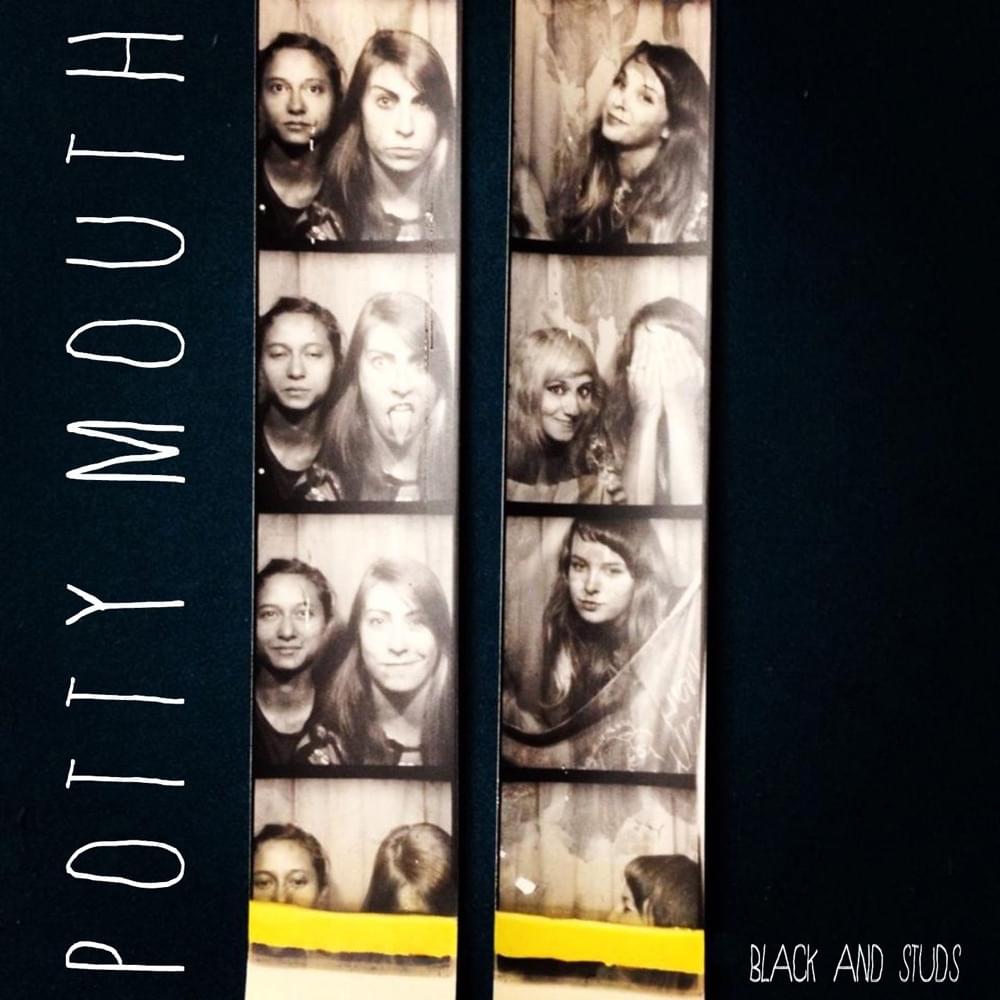
The central tension revolves around a profound change in the narrator's identity, directly linked to another person. The repeated question, "What happened to you / To make me wear black and studs?" implies a significant event or influence from "you" that has drastically altered the narrator's presentation and perhaps their inner state. This is juxtaposed with the narrator's own perceived lack of agency: "What happened to me / To wear them just because?" This suggests a loss of personal motivation, a drift into a new persona without clear reason or personal choice, driven by external circumstances or the actions of another.
The most striking element is the cyclical nature of the lyrics, particularly the insistent repetition of the core questions and the verse about "repetition / Because our minds are cursed." This isn't just a structural choice; it mirrors the narrator's own trapped mental state. The "misconception" that someone else thought they were "first" hints at a complex, possibly competitive or possessive, dynamic. The idea that "our minds are cursed" points to a shared or inherited pattern of destructive thought or behavior, making the narrator's current state feel inescapable and predetermined.
Ultimately, the effectiveness of these lyrics lies in their raw, unvarnished portrayal of emotional desolation and the unsettling feeling of being a passenger in one's own life. The simple, declarative statements and the insistent, almost desperate, repetition create a sense of claustrophobia. The narrator isn't seeking solace or understanding; they are simply stating a grim reality, making the listener confront the bleakness of a life lived "just because."
 View Artist