Song Meaning
The lyrics paint a grim, apocalyptic picture, drenched in religious imagery twisted into a narrative of damnation. The opening lines immediately establish a sense of doom, with "Holy Hell, death to us" setting a tone of inevitable destruction. This is amplified by the stark contrast of divine figures being corrupted or overthrown, as seen in "God is slaughtered / Drink his blood." The narrator appears to embrace this descent, framing it as a perverse form of unity: "Our bonding, trust is at hand / Go we must, to Satan's land." This suggests a willing surrender to malevolent forces, where death is simultaneously prayed for and a source of new, albeit dark, life.
The central tension lies in the paradoxical embrace of suffering and damnation. The lyrics oscillate between a desire for death and a plea for life, a concept further complicated by the idea of the "Reaper's breath / Will breathe new life." This suggests a cyclical or transformative process, where the end of one existence is the violent birth of another, steeped in "Satan's reign." The birth of "Satan's child" sworn to death and the description of "Endless dreams, in the night / Eternal sleep, eternal fright" underscore a profound sense of inescapable torment and dread.
The most striking aspect of the writing is its relentless use of religious iconography subverted for a hellish purpose. "Defiled crosses, oh black mass" and "Blackened masses, Blackened crosses" create a powerful visual of sacred rites being corrupted into rituals of evil. The repetition of "Satan's reign" and the visceral imagery of "Chained to torment / Chained to pain like a dog" emphasize the absolute and brutal nature of this dominion. The lyrics don't just describe evil; they revel in its power, culminating in commands like "Kill the people, kill them dead / Take their soul."
This lyrical construction is effective because it forces the listener into a disorienting space where the familiar symbols of salvation are weaponized. The stark, declarative sentences and the aggressive imagery create an overwhelming sense of finality and power. The narrator's apparent acceptance, even embrace, of this horrific fate, coupled with the visceral descriptions of violence and torment, makes the descent into this "Holy Hell" feel both terrifying and absolute, leaving a lasting impression of profound dread and dark ecstasy.
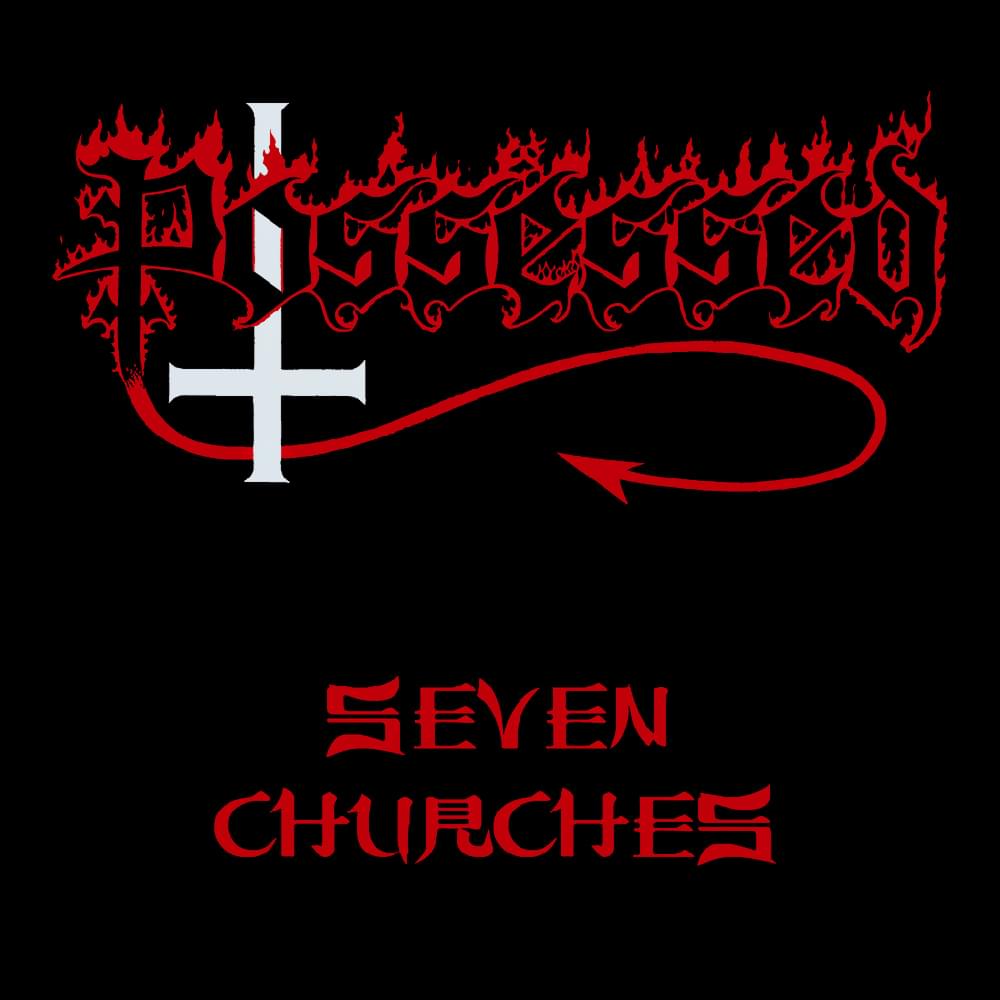
 View Artist