Song Meaning
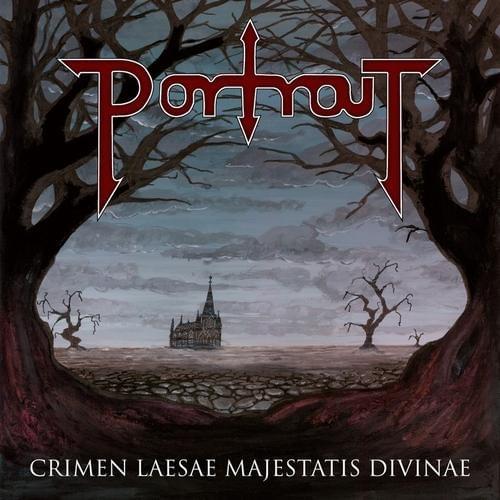
The lyrics immediately plunge into a desolate, almost apocalyptic vision, with the speaker flying through "icy skies" over "mourning trees and landscapes full of sorrow." This sets a profoundly bleak tone, painting a picture of a "pale, grey future of man" where tomorrow is already forgotten. It's a world consumed by decay, where even falling leaves burn and suffocate.
A central tension emerges from the futility of seeking solace or meaning. The lyrics challenge the listener to "Seek the face of the LORD," only to immediately declare, "for you cannot see him and live." This suggests either divine absence or a destructive presence, reinforcing the idea that "Constant prayers are heard, but noone will ever answer." The world presented here is one where "hopelessness" and "life's worthlessness" are inextricably linked, leaving no room for redemption.
Perhaps the most chilling craft element is the speaker's appropriation and inversion of philosophical and religious concepts. The command to "Aim for that than which no greater can be thought" twists Anselm's ontological argument for God into a dark, perhaps impossible, pursuit. The speaker then declares, "I am its medium, and my words shall burn the heart of the world," culminating in the nihilistic mantra: "'I die, therefore I am!'" This subverts Descartes' famous assertion of existence through thought, suggesting that being is instead defined by an embrace of non-existence or destruction.
This lyrical approach is effective because it doesn't just describe despair; it embodies it through the speaker's voice and actions. The threat, "I shall bind you, not in death, but in life. Chained you will be for what will seem an eternity," is particularly potent, promising an inescapable, living torment. The final image of "empty graves are calling. Can't you hear their laughter?" seals the sense of an ultimate, mocking triumph of oblivion, leaving the listener with an unsettling echo of inescapable dread.
 View Artist