Song Meaning
The lyrics paint a grim picture of a populace controlled by unseen forces, living in a state of enforced ignorance. Phrases like "worded spells they're trained to stay in line" and "Reside in darkness" establish a tone of manipulation and confinement. This controlled existence is described as an "endless sleep" and a "senseless game," suggesting a lack of true agency or awareness for those subjected to it. The dominant emotion is one of bleak resignation, a sense that this state is inescapable and perhaps even willingly embraced.
The central tension arises from the contrast between this passive, controlled existence and the concept of the "dumb supper." This supper appears to be a moment of reckoning or revelation, where the "dead come back to life" and the "dead shall dance no more." It signifies a potential end to the prevailing darkness and the "senseless game," but the lyrics frame this as the "dawning of the end," implying a destructive rather than liberating transformation. The idea of "open wounds can't heal but yet they smile" further complicates this, suggesting a forced or deluded happiness within their suffering.
The most striking lyrical device is the recurring motif of "darkness" and its association with both the controlled state and the impending change. "Reside in darkness," "Prevailing darkness," and "Embracing darkness" all point to a deep-seated acceptance of this grim reality. The "dumb supper" itself, a ritualistic meal where the dead are said to return, acts as a powerful, unsettling image for this moment of profound, perhaps terrifying, transition. The lyrics suggest this is not a hopeful awakening, but rather a final, inevitable conclusion.
What makes these lyrics resonate is their stark portrayal of a collective delusion and the chilling inevitability of a final reckoning. The imagery of sheep being led, of dead but living individuals, and of a "dumb supper" creates a powerful, almost gothic atmosphere. The repeated emphasis on darkness and the finality of "the dead shall dance no more" leaves the listener with a profound sense of unease, highlighting the cost of lost knowledge and the potential for a grim, final peace.
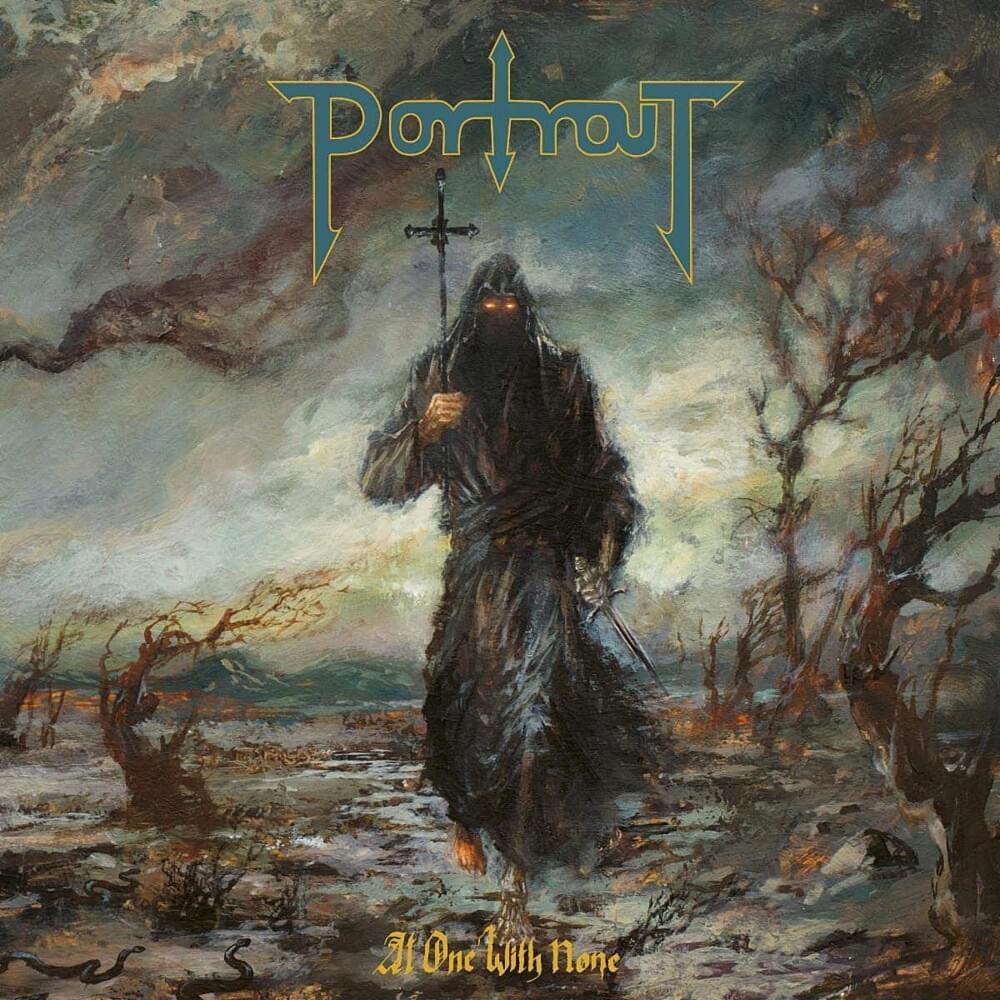
 View Artist