Song Meaning
The lyrics paint a picture of internal turmoil and external judgment, where the narrator grapples with an unacknowledged truth about their feelings. There's a palpable sense of being misunderstood, with the narrator asserting their right to self-definition against an unseen force. The opening lines immediately establish a theme of ambiguity: "No one has said / What the truth should be," setting a stage where personal experience is paramount.
The central conflict arises from the narrator's struggle against external validation or denial of their emotions. They directly confront an unnamed 'you,' stating, "But you can't deny how I feel / And you can't decide for me." This refrain underscores a desperate plea for autonomy, pushing back against an imposed narrative or a perceived hypocrisy. The narrator feels their internal state is being invalidated, leading to a deep-seated self-despise, particularly when they observe "It's written in your eyes."
A striking element is the accusation leveled in the third verse: "And it's your heart / That's so wrong." This shifts the blame, suggesting the 'you' is fundamentally mistaken about the narrator's true self, their "feathered sacred self." The contrast between the narrator's perceived inner truth and the other's flawed perception creates a powerful tension. The repetition of the hook amplifies the narrator's insistence on their own reality, even as they question why the other person's decision matters so much.
Ultimately, the effectiveness of these lyrics lies in their raw, direct address and the vulnerability it exposes. The narrator isn't just stating feelings; they are fighting for the right to have them, to own them, and to have them acknowledged. The simple, declarative sentences of the hook, contrasted with the more complex emotional landscape of the verses, create a compelling push-and-pull that resonates with anyone who has felt their inner world dismissed by others.
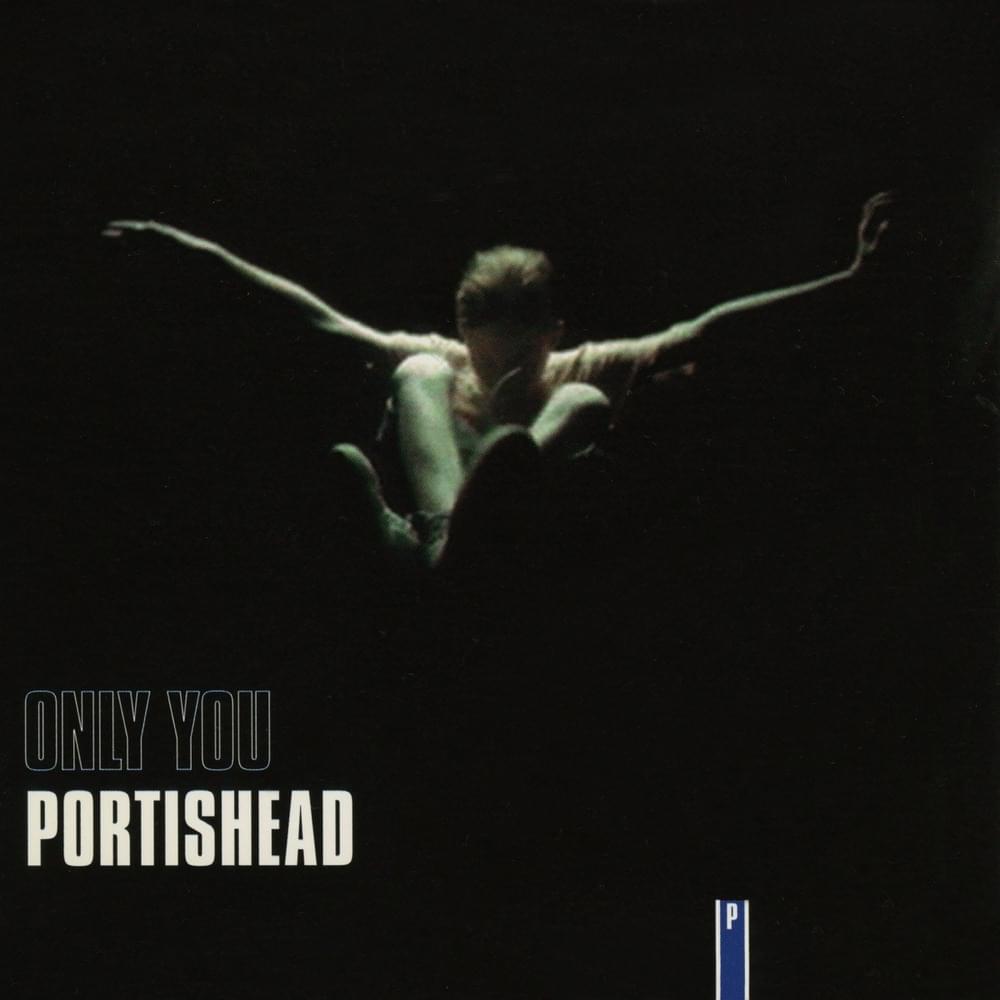
 View Artist