Song Meaning
The lyrics paint a picture of someone trapped in a cycle of self-imposed isolation and regret. The opening lines, "Looking out, looking in," immediately establish a sense of internal conflict and a feeling of being stuck between observation and participation. The narrator admits to "Running round my defenses" and feeling "afraid," suggesting a history of avoiding vulnerability and genuine experience. This avoidance has led to a life filled with shame and resentment, as indicated by the "Open doorways full of shame" and the narrator's admission of having "My own life I resented."
The central tension lies in the struggle against time and inevitable emotional pain. The chorus, "Winter sigh, summer's gone," evokes a sense of lost opportunity and the passage of seasons, mirroring the fading of youthful hope or a period of happiness. The phrase "Holding off tomorrow's sorrow" reveals a desperate attempt to delay or deny future pain, a strategy that has clearly proven unsustainable. This holding pattern is further emphasized by the contrast between "Rushing out, rushing in," suggesting a frantic, unproductive energy that ultimately leads to losing one's sense of self, the "Identity of my heart."
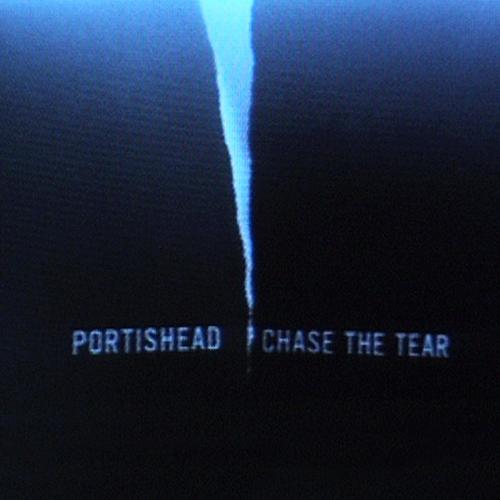
The most striking aspect of the writing is the raw, almost confessional tone that culminates in a breakthrough. The line "Been a fool, chase the tear" is particularly poignant, implying a misguided pursuit of something that only brings sadness. However, the shift comes with "Never let go, but now I'm there / It's over, it's over." This signifies a pivotal moment of acceptance and release, where the narrator finally confronts and moves past the source of their sorrow. The repeated "So I won't anymore" in the hook acts as a powerful declaration of intent, a firm rejection of the past patterns of avoidance and pain.
Ultimately, the effectiveness of these lyrics stems from their unflinching honesty about internal struggle and the quiet triumph of letting go. The simple, direct language allows the emotional weight of regret and the subsequent relief to resonate deeply. The progression from self-resentment and fear to a decisive "It's over" offers a cathartic arc, making the final declaration of "So I won't anymore" feel earned and profoundly hopeful.
 View Artist