Song Meaning
This track paints a picture of domestic frustration and consumerism, personified by a charismatic, almost mythical figure dubbed "Tea Bag Romeo." The narrator, speaking for a collective of men, laments the state of their homes and the allure this "rascal" holds over their "faithful women." There's a clear sense of bewilderment and a touch of resentment as they observe their partners swooning over this unknown entity, while their own domestic responsibilities apparently go unattended. The opening lines set a tone of idle observation and a question about this figure's magnetic appeal.
The core tension lies in the conflict between traditional domesticity and the seductive power of modern convenience and perhaps, marketing. The "idle groom" contrasts with the "housework goes to pot," highlighting a societal shift where men are seemingly disengaged from household duties. This figure, "Tea Bag Romeo," represents something that distracts and captivates, leading to a neglect of practicalities. The lyrics suggest a desire for something more than just basic sustenance, as "cracker, soup, and other goop" isn't enough, implying this Romeo offers a more appealing, albeit perhaps superficial, alternative.
The most striking aspect is the almost absurd power attributed to this figure, capable of selling "the leaning tower" and accumulating "two tons of flour." This hyperbole underscores the narrator's disbelief and grudging admiration for the persuasive abilities at play. The phrase "tea bag Romeo" itself is a brilliant piece of wordplay, juxtaposing the romantic ideal of Romeo with the mundane, disposable nature of a tea bag, suggesting a love or attraction that is perhaps fleeting, easily manufactured, or even a bit artificial. The threat of a "cold potato on our plates" if one disagrees further emphasizes the subtle but potent control this figure seems to wield over the domestic sphere.
Ultimately, the effectiveness of these lyrics stems from their blend of domestic realism and surreal exaggeration. The narrator's voice is relatable in its exasperation, yet the scale of the problem – a man who can sell landmarks and hoard flour – elevates the song beyond a simple complaint. It captures a specific kind of modern anxiety about influence, consumer culture, and the shifting dynamics within households, all while maintaining a playful, almost affectionate tone towards the "sun-of-a-gun" who complicates their lives.
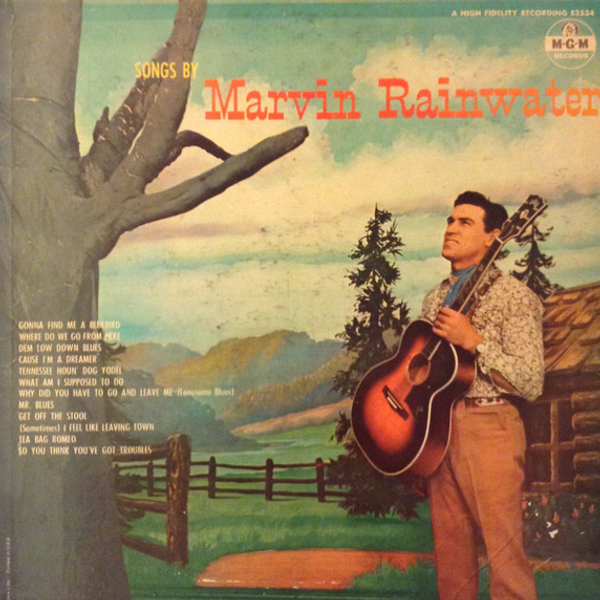
 View Artist