Song Meaning
The lyrics paint a picture of youthful impulsivity and the inevitable march of time. The opening lines, "We don't know anything yet," repeated twice, establish a sense of innocent naivete as the narrator and their companions step onto a path, only to find there's no turning back. This initial rush is met with the physical exertion of "sparkling sweat pouring down," hinting at the effort involved in this unthinking forward momentum. The dominant tone is one of looking back with a mix of regret and a touch of wry amusement at past selves.
The central tension arises from the contrast between what was once cherished and what is now forgotten or deliberately ignored. The narrator admits, "I pretended not to know things I treasured," and later, "I pretended not to know the things I feared." This suggests a conscious effort to shed past selves or responsibilities, perhaps to keep moving forward. The relentless passage of time is emphasized by "the clock's hands, the days, don't stop," and the feeling of memories becoming "far, far away."
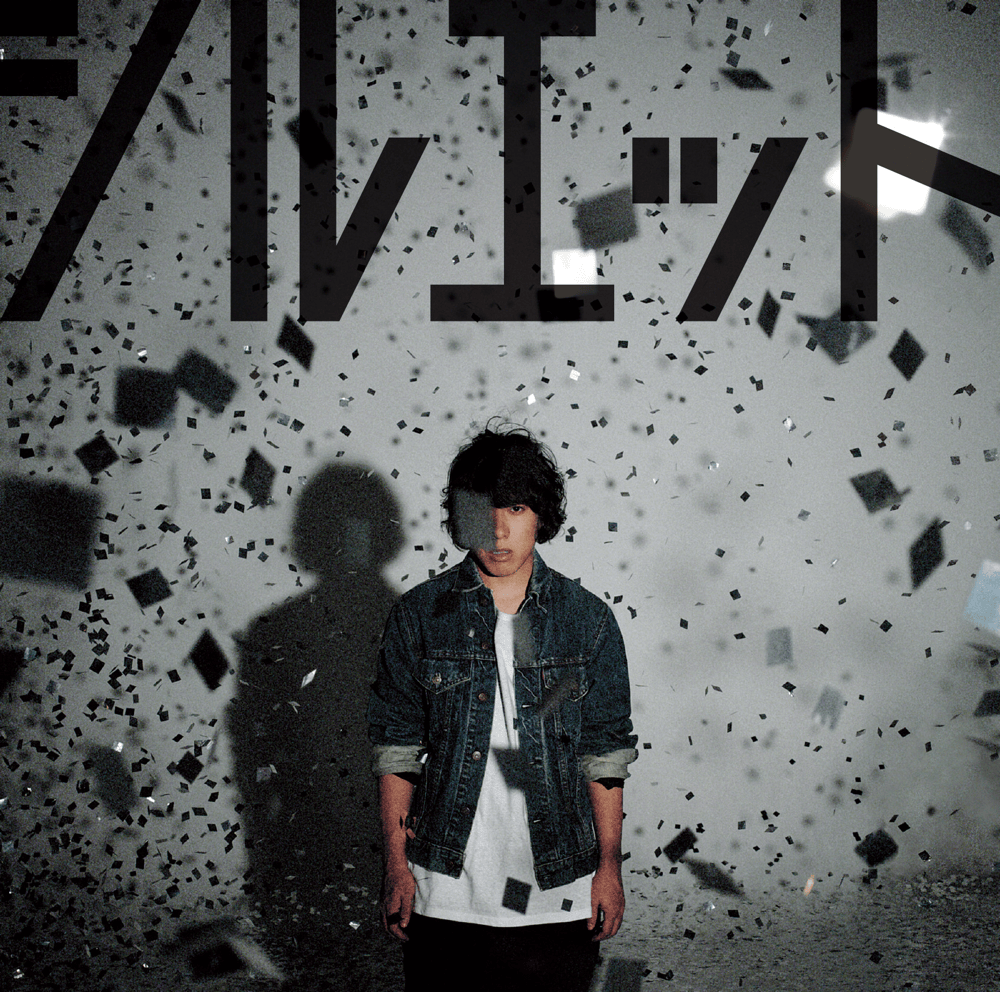
The most striking lyrical device is the recurring image of everyone becoming a "silhouette." This isn't just about fading memories; it implies a loss of distinct identity or presence as time and experience reshape individuals. The narrator finds a strange solace in this, concluding, "There's nothing left, I can laugh about it." This acceptance, however, is challenged in the bridge and final chorus, where the idea of a "silhouette that won't disappear" emerges, linked to a significant person who taught the narrator about enduring values. This suggests that while superficial aspects may fade, some core connections and lessons remain indelible.
Ultimately, the effectiveness of these lyrics lies in their raw portrayal of growing up. The shift from a carefree, almost reckless, forward motion to a more reflective stance, acknowledging both loss and the persistence of meaningful connections, resonates deeply. The final resolution, to "hold onto what I want to cherish" and "protect it always," offers a hopeful outlook, suggesting that embracing the lessons learned from those indelible "silhouettes" allows one to face the future with a mature, albeit still somewhat amused, perspective.
 View Artist