Song Meaning
The lyrics paint a picture of detached observation, where the narrator finds solace and distraction in watching television, particularly a "satellite." This satellite, initially sent "up to the sky," later seems to be heading "way up to Mars," a surreal image that the narrator imagines filled with "parking cars." This bizarre, almost absurd, imagery suggests a mind grappling with something unsettling, preferring the passive consumption of media to direct engagement with reality.
The core tension emerges when the narrator shifts from observing the satellite to acknowledging infidelity. The repeated names "Harry, Mark and John" and the days of the week imply a pattern of betrayal, with the narrator being "told that you've been bold." This stark contrast between the detached, almost childlike fascination with the "satellite of love" and the harsh reality of infidelity creates a profound sense of emotional disconnect.
The most striking aspect is the juxtaposition of the cosmic "satellite" with mundane or absurd details like "parking cars" and the simple pleasure of "watch things on TV." The repeated, almost mantra-like chorus of "Satellite of love" feels less like an expression of affection and more like a desperate, looping thought trying to make sense of a confusing emotional landscape. The narrator’s love seems to be for the *idea* of love, or perhaps the act of watching, rather than the person involved.
Ultimately, the effectiveness of these lyrics lies in their ability to capture a specific kind of quiet desperation. The narrator’s mind drifts, seeking refuge in the abstract and the televised, while a painful truth about their relationship unfolds. The seemingly innocent imagery of a satellite becomes a vessel for a complex, unexpressed emotional state, highlighting how we sometimes process heartbreak through a lens of surreal detachment.
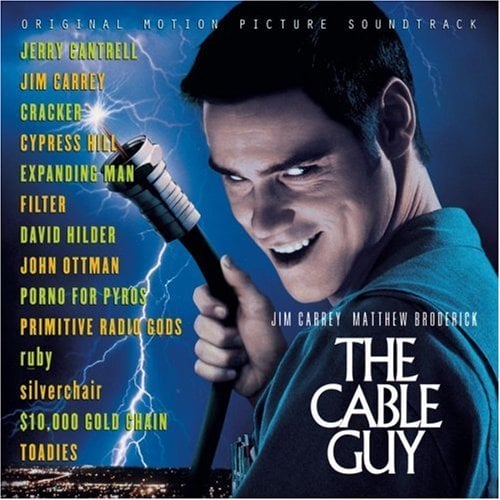
 View Artist