Song Meaning
The track kicks off with a raw, aggressive energy, immediately establishing a confrontational tone. The narrator, identifying as "Stitches," issues a direct threat, promising to "stitch you from your head to your neck." This vivid, violent imagery is amplified by the mention of an "AK 47 on my fucking chest," painting a picture of extreme danger and a defiant, almost suicidal, disregard for personal safety. The self-description as "self disturbed up in my brain" attempts to contextualize this aggression, suggesting a troubled internal state fueling the external bravado.
The central tension lies in this volatile mix of menace and perceived persecution. The narrator feels targeted by "cops" who are "tryna indict me," leading to a defiant challenge: "Take a gun and your bat, jump and fight me." This escalates into a series of insults questioning the masculinity of an unnamed opponent, highlighting a desperate need to assert dominance and project an image of unshakeable toughness. The repeated use of vulgar language underscores the raw, unfiltered anger driving these declarations.
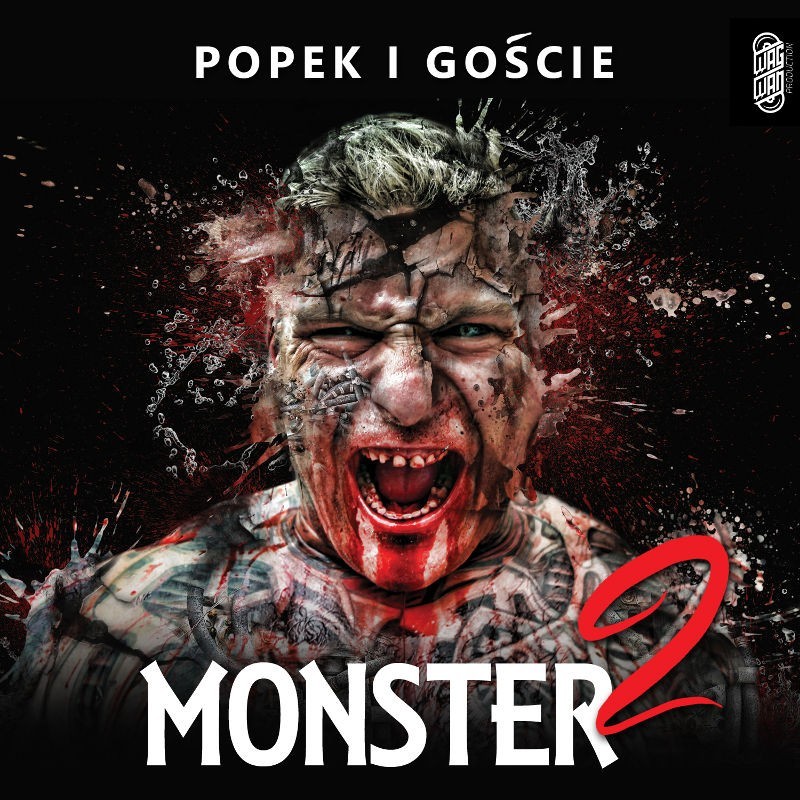
A fascinating element is the interjection of Popek's verse, shifting the perspective and language. Popek speaks of "Uliczna Konekcja" (Street Connection) and a journey "Z UK do USA," positioning himself and Stitches as a duo. His lyrics emphasize the harsh realities of the "brudne getto" (dirty ghetto) and a deep distrust of "system i cały rząd" (the system and the whole government), suggesting their music and street hustle are a response to systemic neglect. The line "Na śniadanie jemy dubstep / Hardcore rap i grime" humorously, yet pointedly, illustrates their immersion in a specific, hard-edged musical culture as a source of sustenance and identity.
This collaboration's effectiveness stems from its unflinching portrayal of a specific, aggressive subculture and its grievances. The stark contrast between Stitches' direct, violent threats and Popek's more socio-political commentary creates a layered narrative of defiance. The lyrics don't shy away from brutality, using it to convey a sense of lived hardship and a rejection of societal norms, making the aggression feel like a product of their environment rather than gratuitous shock value.