Song Meaning
The lyrics paint a stark picture of a world stripped of its natural beauty and peace. The opening verse immediately questions the absence of birds and color, noting that the 'white is gone from the heart' and 'no dove can rise to the clouds.' This sets a tone of loss and desolation, amplified by the repetition of 'no olive trees are seen,' suggesting a profound disconnect from traditional symbols of peace and nature. The imagery shifts to an urban, industrial landscape where 'factories cast shadows' and the ground is 'asphalt,' leaving no room for the natural world. The narrator observes children playing on this harsh surface, forbidden from touching grass, reinforcing the idea of a life confined and unnatural.
The central tension arises from the repeated plea, 'When will I wake up?' juxtaposed with the 'last dance.' This suggests a desperate longing for escape from a perceived reality that feels like a dream or a prison. The question 'Is reality just a dream?' further blurs the lines, implying that the current state is so unbearable it can't be real, or perhaps that the only true awakening will come after this final, inevitable end. The repeated destruction, 'Why is everything destroyed?' and the lack of time for humanity, 'Nowhere is there time for people,' underscore a sense of existential dread and environmental decay.
The most striking craft element is the stark contrast between natural imagery and industrial blight. The absence of birds, doves, and olive trees is a powerful statement about what has been lost. This void is then filled with factories and asphalt, creating a suffocating environment. The repetition of 'no grass can be stepped on' and 'no need to make noise in vain' emphasizes a world that is not only devoid of nature but also stifled and controlled. The recurring chorus acts as a desperate mantra, a plea for release from this bleak existence, questioning the very nature of their reality.
Ultimately, these lyrics resonate because they capture a feeling of profound disillusionment and a yearning for escape from a harsh, artificial existence. The writing effectively uses absence and stark contrast to evoke a sense of loss and suffocation. The repeated questions and the concept of a 'last dance' before waking tap into a universal desire for a better reality, making the narrator's plight feel deeply, albeit bleakly, human.
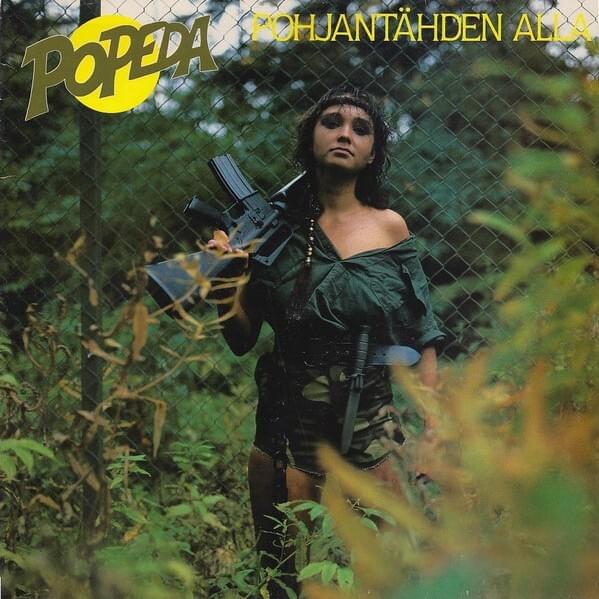
 View Artist