Song Meaning
The lyrics paint a stark picture of a lone individual, the "last mohican," facing the cyclical nature of regret and escapism. The opening verse immediately sets a tone of dawning realization and remorse as a new day begins, suggesting a night of excess or poor choices. This feeling of being alone with one's mistakes is palpable, creating an immediate sense of melancholy.
The central tension lies in the narrator's isolation and reliance on a solitary, unreciprocating companion: an empty glass. This object, which "gives nothing but can listen to all worries," highlights a deep loneliness and a desperate need for solace, even if it's only from an inanimate object. The repetition of "Oon mohikaani viimeinen" (I am the last mohican) reinforces this profound sense of being the sole survivor of something, perhaps a way of life, a community, or simply a personal state of being.
The most striking image is the "war axe rusting in the well." This powerful metaphor suggests a renunciation of past aggression or conflict, but in a way that implies decay and obsolescence rather than peace. The weapon, once a symbol of power or defense, is now discarded and deteriorating, mirroring the narrator's own perceived decline or abandonment of their former self. The contrast between the "last mohican" identity and the rusting war axe is particularly poignant.
This lyrical construction is effective because it grounds abstract feelings of loneliness and regret in concrete, evocative imagery. The cyclical structure, moving from morning regret to evening comfort (albeit with an empty glass), emphasizes a pattern the narrator seems trapped within. The self-designation as the "last mohican" carries a weight of historical and cultural significance, amplifying the personal tragedy of their isolation and the quiet surrender implied by the rusting weapon.
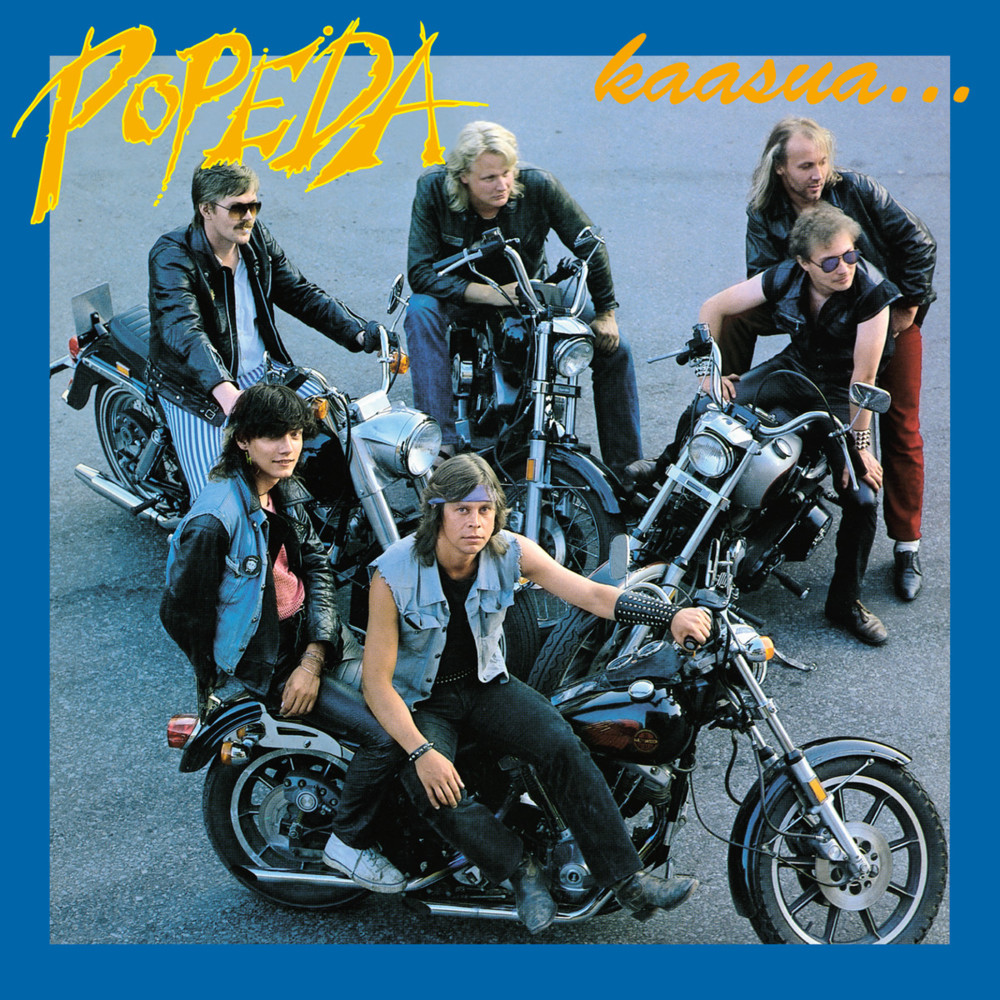
 View Artist