Song Meaning
The lyrics paint a picture of a desperate escape, a dive into oblivion fueled by a fantastical, impossible scenario. The central image of rivers turning to whiskey sets a tone of surreal indulgence or perhaps a wish for complete submersion. The narrator expresses a desire to dive deep, to go down like a duck, suggesting a willingness to embrace a profound, potentially destructive experience. This isn't just a casual dip; it's a "deep, long, and tough" dive, hinting at a heavy emotional or psychological weight.
The verses introduce darker, more volatile elements that contrast with the whimsical chorus. The first verse mentions a "stranger woman in the night" and a man grabbing a shotgun, implying immediate danger and a volatile situation. The second verse escalates this with a boast about speed, but it's immediately framed as a path to hell, a descent from which there's no return. This foreshadows the narrator's own desire for a similar, irreversible plunge.
The third verse brings this desire for submersion into a more personal, albeit still aggressive, context. The narrator threatens to "squeeze" a path if not let in, and then connects this back to the core metaphor: "I swim into your river, I can dive for a long time." This suggests the desire for escape isn't just about self-destruction but also about overwhelming or merging with another, a forceful entry into a different state.
Ultimately, the repeated desire to "dive to the bottom and hardly return" in the outro solidifies the song's emotional core. It's a yearning for an absolute escape, a complete surrender to an overwhelming force, whether it's literal oblivion or a state of being so profound it precludes a return to the present. The fantastical premise of whiskey rivers becomes the perfect vehicle for this intense, almost suicidal, desire for an irreversible descent.
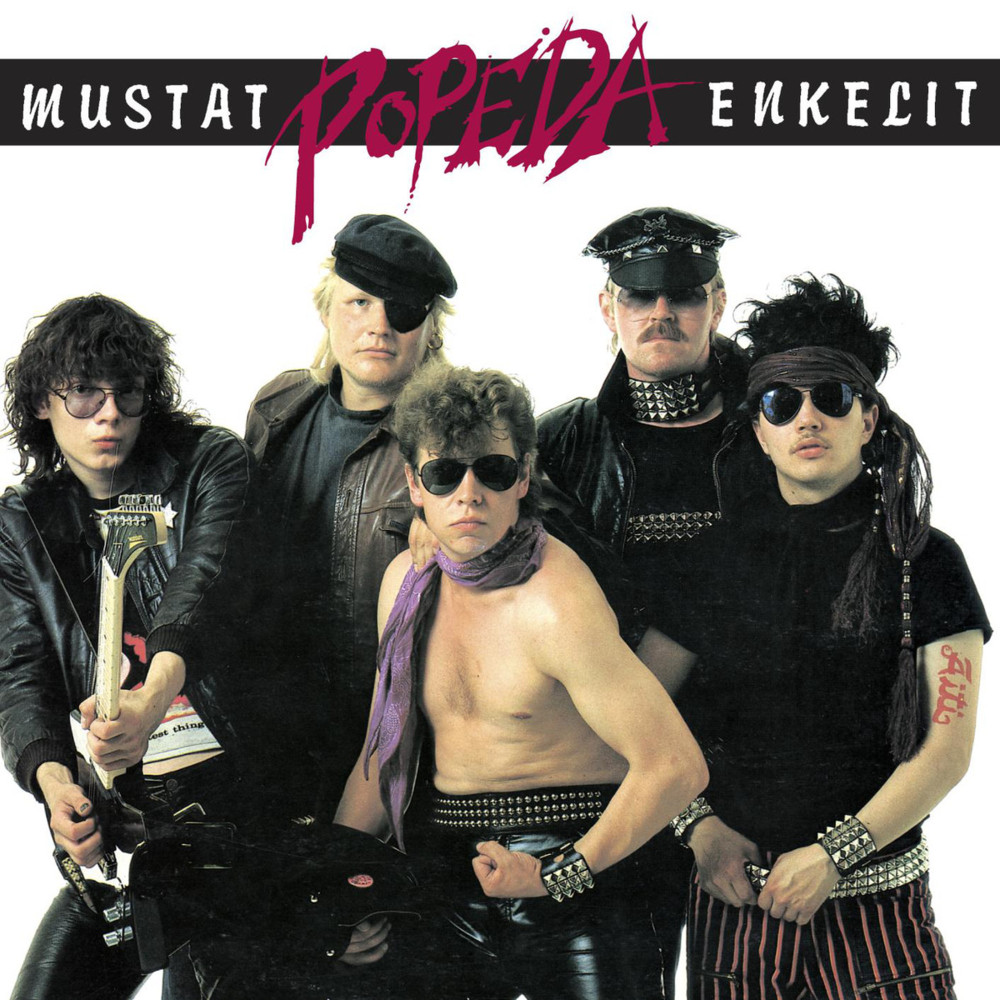
 View Artist