Song Meaning
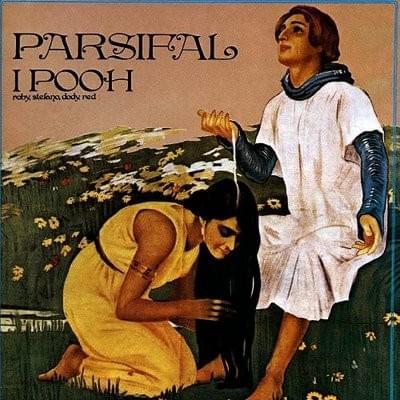
The lyrics paint a picture of a nascent hero, Parsifal, born into a state of untainted innocence. He's described as "Nato selvaggio, puro nell'anima" (Born wild, pure in soul), unaware of fear. This primal state is juxtaposed with the looming presence of divine or kingly figures, "Quei cavalieri simili a Dei" (Those knights like Gods), whom he hasn't encountered but whose influence seems to stir a nascent awareness, though not yet fear.
The narrative then shifts to Parsifal's awakening curiosity and destiny. He's driven by a desire to explore beyond his forest confines, "tu vuoi conoscere / Ciò che nel bosco non c'è" (you want to know / What isn't in the woods). This quest for knowledge is intrinsically linked to his name and future identity as "Re della luce" (King of light), propelling him forward with an urgent, repeated call to "Corri, corri, corri, corri" (Run, run, run, run).
However, the journey introduces moral and spiritual complexities. He encounters figures who speak of God and the King, and sees "Le fanciulle fiore" (The flower maidens) on his path. This phase is characterized by a "grande sogno antico" (great ancient dream) that pushes him toward a solitary new life, but it also plants "un dubbio" (a doubt) within him. This doubt seems to stem from a seductive, enchanting encounter with a woman, whose "incantata età straniera di lei" (enchanted foreign age of hers) offers not glory, but a "dolce realtà" (sweet reality).
Ultimately, the lyrics suggest a turning point where Parsifal abandons his martial purpose, symbolized by leaving his weapons "al sole e alla rugiada" (to the sun and the dew). This choice, driven by the allure of earthly reality over spiritual glory, leads to the pronouncement that "Sacro non diventerai" (You will not become sacred) and his path ends there. The effectiveness lies in this stark contrast between a prophesied divine destiny and a chosen, more human, albeit less exalted, reality.
 View Artist