Song Meaning
The narrator finds himself adrift in a space that feels overwhelmingly large, a stark contrast to his internal state of isolation. The "casa troppo grande" (house too big) and "troppi specchi" (too many mirrors) amplify a sense of being exposed and alone, reflecting a face he can no longer escape. Sleep offers no solace, as the loneliness has become a constant, inescapable companion, more profound than ever before.
The lyrics articulate a deep-seated loneliness, a feeling of being fundamentally solitary. The narrator states, "Sono sempre stato solo / E lo sono più che mai" (I have always been alone / And I am more so than ever). This isn't a new affliction but an intensified state, suggesting a long history of isolation that has now reached a critical point.
However, a flicker of possibility emerges as the narrator acknowledges the vastness of the "mondo" (world) outside his immediate confinement. He recognizes that there's "più di questa gabbia d'oro" (more than this gilded cage), hinting at a potential for something beyond his current circumstances. Yet, this hope is immediately undercut by the perception that others believe a "l'ombra di un sorriso" (the shadow of a smile) is enough, a superficial acknowledgment that fails to address his deeper need.
The final lines deliver a poignant farewell, a "Chiedo scusa a voi / Se mi avete messo al mondo" (I apologize to you / If you brought me into the world). This isn't an accusation but a sorrowful resignation, a declaration that he will no longer be seen, signaling a definitive departure from his current existence, perhaps a metaphorical or literal exit from the life that has become unbearable.
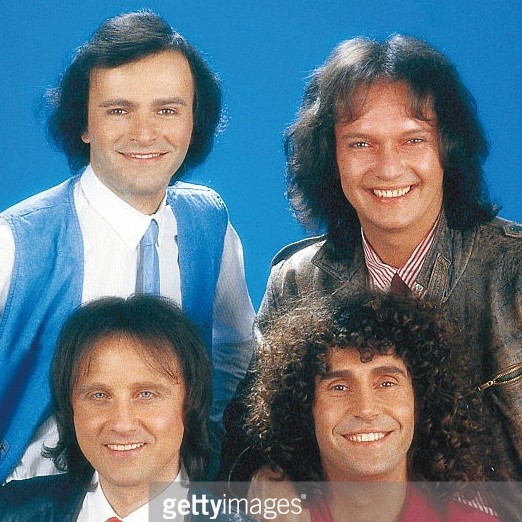
 View Artist