Song Meaning
The lyrics paint a vivid picture of a turbulent night, where rain batters the window and disrupts sleep, mirroring an internal emotional storm. The narrator reassures someone, "Don't be afraid, love is not a sin," establishing a core theme of defending a forbidden or unconventional love against external judgment. This plea to "close the window" and "let me hold your hand again" suggests a desire to shut out the harsh realities and find solace in their shared connection, even as "worldly eyes are absurd."
The central tension lies in the conflict between the purity of their love and the societal condemnation it faces. The repeated wish for a place where love isn't harmed and inner "colors" aren't erased highlights a deep yearning for acceptance. This is contrasted with the present reality of "painful endurance" and the fear of "worldly eyes," creating a palpable sense of struggle and longing for a future free from such constraints.
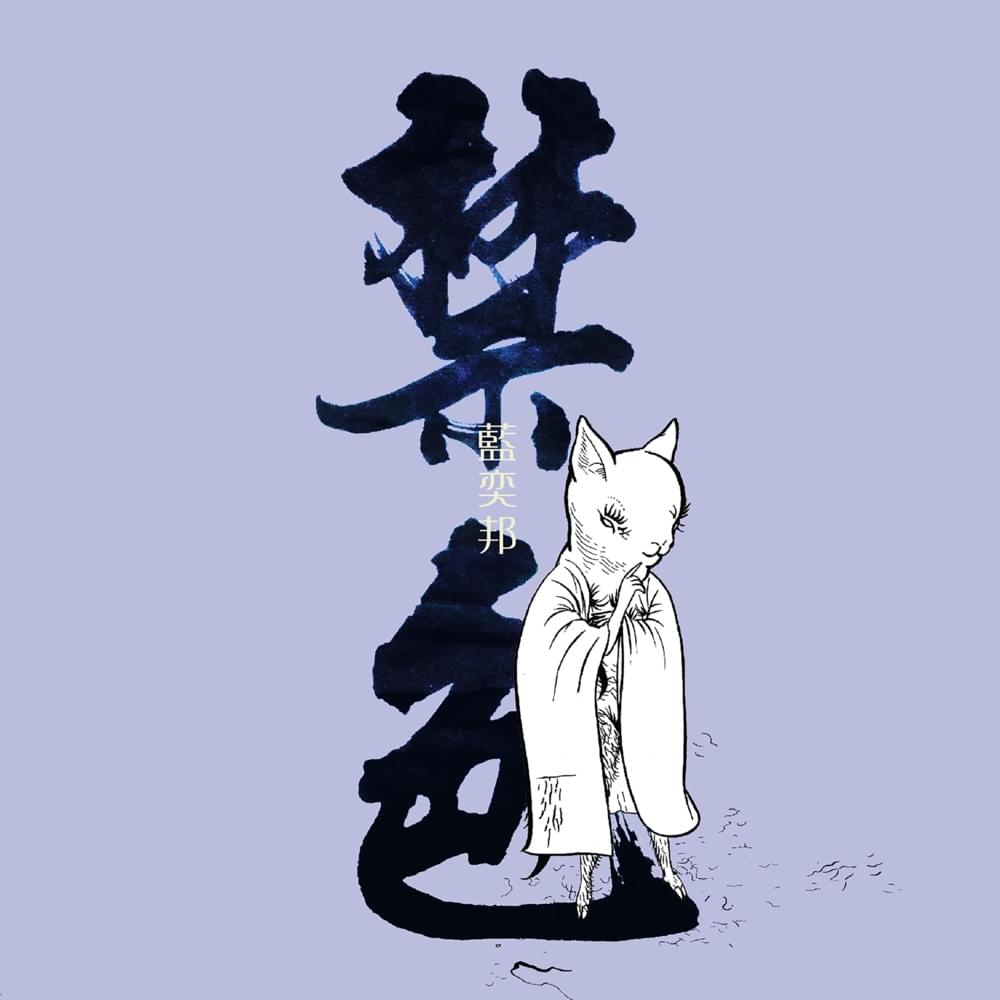
A striking element is the recurring motif of "forbidden colors" and the desire to "stain them outside the dream soul." This metaphor powerfully conveys the idea of suppressing essential aspects of oneself, specifically the love that defines them, due to societal pressure. The narrator's resolve, "I will never regret it until I die," coupled with the image of "time stopping" and "patient waiting," underscores a profound commitment to this love, even in the face of immense suffering and the fear of external threats like the "sound of rain outside."
Ultimately, the lyrics resonate because they articulate the pain of loving against the grain and the desperate hope for a world where such love can exist openly. The final plea, "If this place must harm love... let me disappear into this stormy night, to be reborn in some dream era," is a poignant expression of choosing oblivion over a life of suppressed identity, seeking refuge in a fantastical future where their love can finally flourish without consequence.
 View Artist