Song Meaning
The lyrics paint a stark picture of internal torment, using vivid, almost violent imagery to describe a state of profound isolation. The opening lines immediately establish a sense of being overwhelmed, with a "magnifier burn like fire" suggesting an intense, painful focus on something the narrator desperately wants to forget. This feeling is amplified by the comparison of a "dandelion" to dying, a fragile image that underscores a deep vulnerability and a desperate plea to "turn up the sun," perhaps for release or oblivion.
The core of the song seems to reside in the crushing weight of self-imposed solitude, articulated through the repeated refrain: "To be alone for all of time / Inside this cell which is my mind." This isn't just loneliness; it's a prison constructed from one's own consciousness, a "hell which is all mine." The lyrics suggest a cyclical, inescapable nature to this mental confinement, where the mind itself becomes the ultimate solitary cell.
The writing crafts a disorienting landscape of internal decay and stagnation. Images like "rocky dells and private hells" and "gutters jammed" evoke a sense of being stuck in unpleasant, stagnant places. The "paper boats destined to stand" is a particularly striking metaphor, hinting at futile efforts or dreams that are doomed to remain inert, unable to navigate the "shallow streams" of existence. This feeling of being trapped is further emphasized by the narrator being "safely sealed till everything's the same," suggesting a fear of change or a resignation to a static, painful state.
Ultimately, the effectiveness of these lyrics lies in their raw, unflinching portrayal of mental anguish. The contrast between the desire for oblivion ("turn up the sun") and the reality of inescapable internal "hell" creates a powerful tension. The deliberate use of contrasting imagery – fragile dandelions and burning magnifiers, private hells and jammed gutters – amplifies the sense of internal conflict and the narrator's struggle against their own mind.
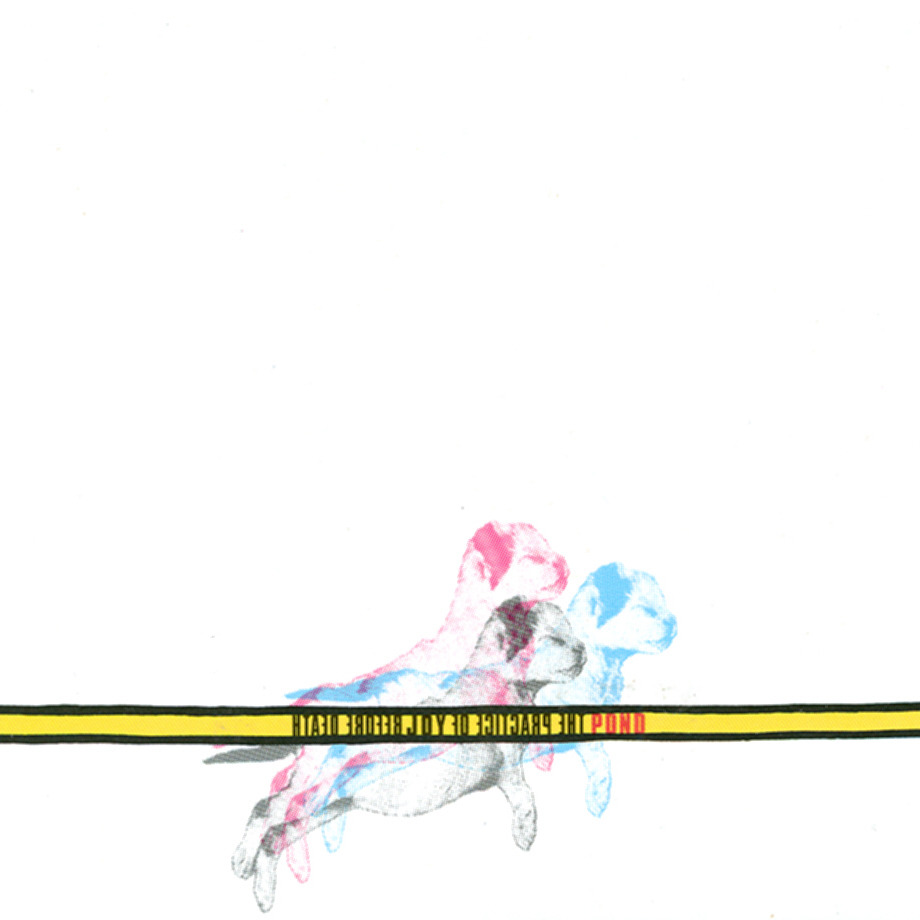
 View Artist