Song Meaning
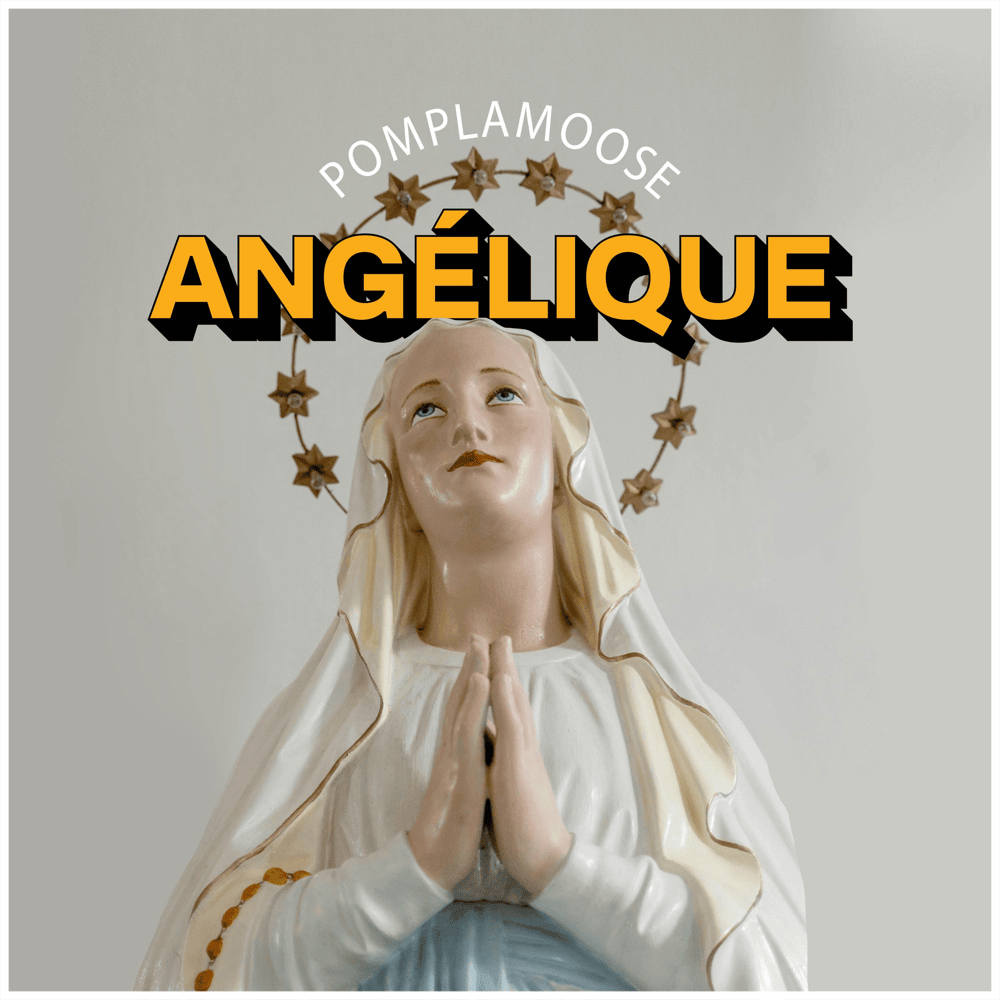
The lyrics paint a picture of a speaker deeply fixated on someone named Angélique, presenting a complex, almost adversarial dynamic. The opening lines immediately establish a challenge: "Regarde-moi dans les yeux / Si t'as pas peur." This sets a tone of confrontation, where fear is a key element, and the speaker positions themselves as a potential threat, an "ennemi mortel." Yet, this aggression is undercut by a desperate plea for attention and a strange certainty that Angélique will think of them in a divine context.
The central tension lies in the speaker's self-proclaimed villainy contrasted with their profound impact on Angélique. They admit to bothering Angélique not out of malice, but because her "innocence impénétrable" gnaws at them, leading them to identify as "le diable." This internal conflict fuels the recurring refrain: "Quand tu iras au ciel / Tu penseras à moi." It’s a haunting assertion, suggesting that even in a state of grace, Angélique’s thoughts will be consumed by this tormentor.
The most striking aspect of the writing is the juxtaposition of divine and infernal imagery with a raw, almost cynical view of aspiration. The speaker dismisses Angélique's "rêve Américain" and "pouvoir utopique," stating that "la perfection fais pas jouir." This suggests a disillusionment with idealized futures, contrasting sharply with the speaker's own desperate need for Angélique’s acknowledgment, even if it’s tinged with fear. The repeated "Sauve-moi" in the bridge further highlights this dependence, revealing the speaker's vulnerability beneath the antagonistic facade.
Ultimately, these lyrics resonate because they capture a twisted form of intimacy born from conflict and obsession. The speaker’s insistence that Angélique will remember them, even in heaven, speaks to a deep-seated need to leave an indelible mark. It’s the raw, almost desperate confession of someone who feels they can only connect through antagonism, making their plea for salvation all the more poignant.
 View Artist