Song Meaning
These lyrics paint a poignant picture of observing someone's fading vitality and memory. The speaker notes, "Si je n'ai pas retrouvé / Dans tes yeux la lumière," immediately establishing a sense of loss and a quiet, melancholic tone. It's a tender, almost heartbreaking observation of a mind losing its grip. The initial image of a heart giving out and lungs like a river sets a visceral scene of physical and mental decline.
The lyrics then introduce a striking tension: the subject is described as being "le moins âgé" in a "château des secrets," knowing many things, yet speaking them "pour pas les oublier." This suggests a desperate struggle against an encroaching oblivion, where even cherished knowledge must be vocalized to be retained. It's a powerful image of a mind fighting its own erosion, a castle of memories slowly crumbling.
The repeated refrain, "Oublier tes enfants / Et les enfants de tes enfants / Oublier ton prénom / Et le chemin de la maison," is particularly devastating. This escalating litany of forgetting moves from familial connections to the very core of identity and belonging. It's a masterclass in how repetition can amplify emotional impact, making the listener feel the profound, irreversible nature of this loss. The wind, personified as the force that "te fait toujours taire" and has "dévasté" the remaining light, acts as an unstoppable agent of this decline.
Ultimately, the lyrics shift from observing this decline to a shared, almost comforting acceptance. The lines "On pourra se retrouver tous les deux / Bien au chaud sous la Terre" offer a dark, tender resolution. It suggests that even in the face of complete memory loss and physical end, there's a profound connection that transcends life, finding a quiet, shared peace in oblivion. This final image transforms the sorrow of forgetting into a poignant vision of eternal togetherness.
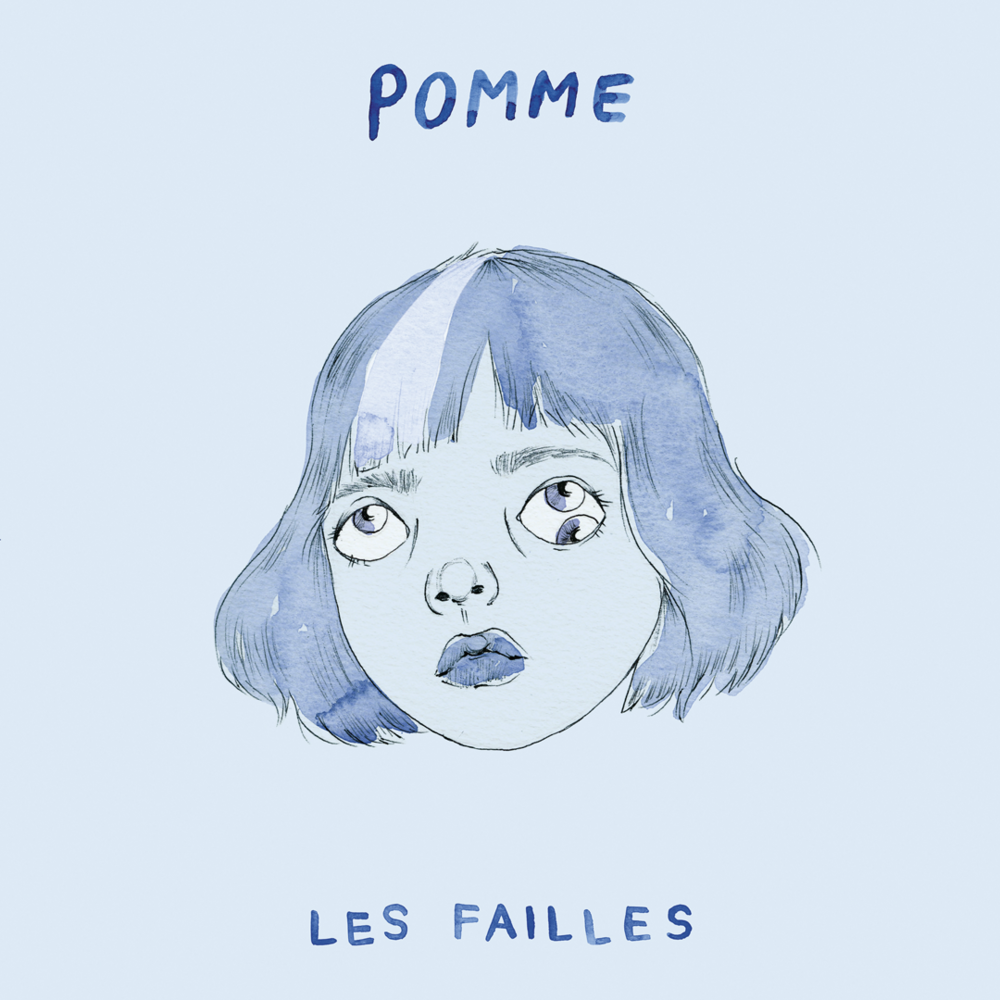
 View Artist