Song Meaning
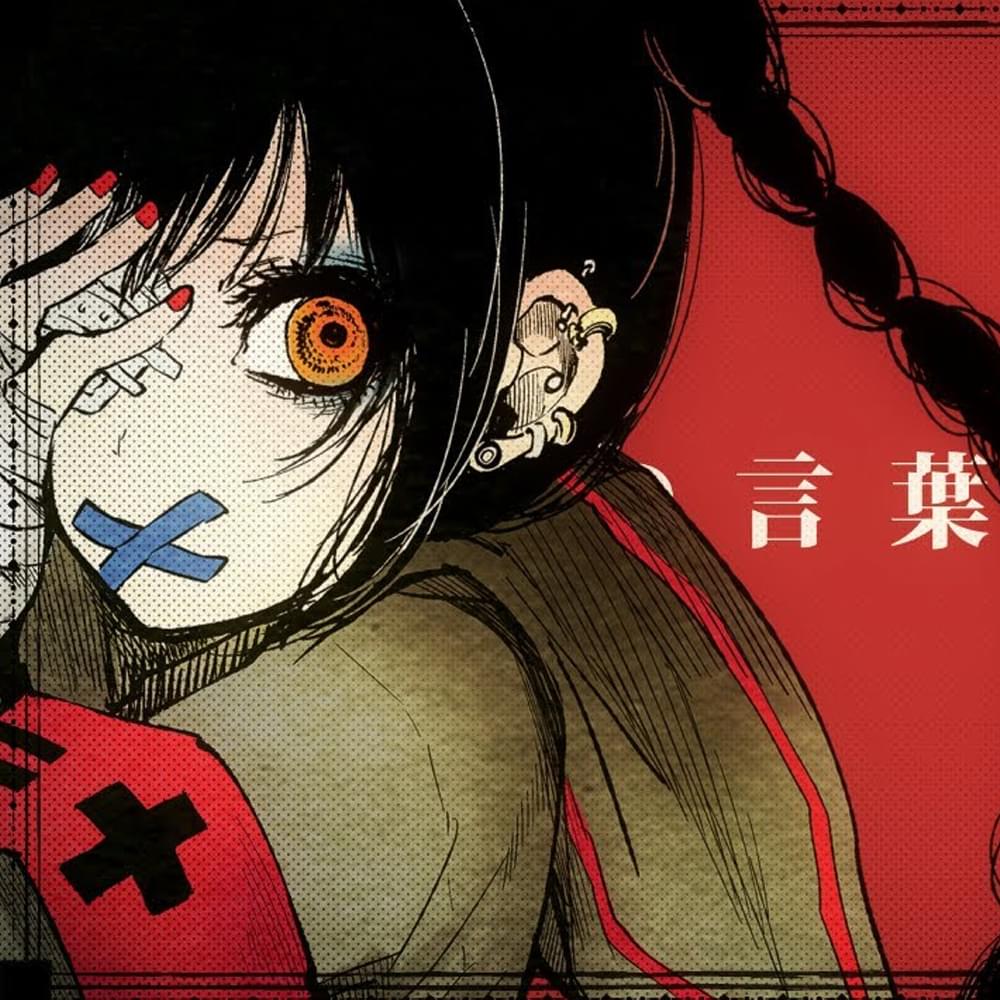
The lyrics paint a stark picture of a young person grappling with intense emotional pain, masked by a facade of strength. The opening lines, "Bandages wrapped, hiding scars / Even though they're bleeding, why pretend to be tough?" immediately establish a central tension between outward appearance and inner suffering. The narrator feels unseen and unheard, a sentiment amplified by the repeated, almost childlike, lament, "Nobody even cares about me." This isolation seems to fuel a desperate desire for escape, a wish for a sharp blade to bring relief, highlighting the depth of their despair.
The core conflict here is the narrator's self-destructive coping mechanism as a means of feeling something, anything, in the face of profound loneliness. The desire isn't for love, but for a basic sense of warmth, a paradox that leads to self-inflicted wounds. "I don't need love / Just warmth is enough," they sing, before confessing, "And so, hurting myself / I smiled with satisfaction." This suggests a twisted form of validation found in pain, a way to feel alive when everything else feels numb.
The lyrical craft effectively uses childlike imagery and repetition to underscore the narrator's regression and desperation. Phrases like "いたいいたいなぁ" (It hurts, it hurts) and the "peek-a-boo" (いないいないばぁ) motif, usually associated with games, take on a chilling new meaning. The narrator feels like a doll, "I'm kept alive by an IV drip today / Do you like playing with dolls? / Please use me," revealing a profound sense of objectification and a desperate plea for attention, even if it's through being used or hurt. The recurring need to change bandages further emphasizes the ongoing nature of their self-harm.
Ultimately, the effectiveness of these lyrics lies in their raw, unflinching portrayal of a cycle of pain and a desperate search for connection, however distorted. The narrator's confession, "Hurting myself to hold onto emotion / Change my bandages," reveals the self-harm not as an end goal, but as a desperate, albeit unhealthy, method to feel present and acknowledged. The final, fragile plea, "Won't you forgive me?" leaves a lingering sense of sorrow and a question about the possibility of healing from such deep-seated wounds.