Song Meaning
The lyrics paint a stark picture of life's unpredictable duality, juxtaposing moments of beauty and disaster. We get a rainbow right next to a car crash, a river beside an ocean, and a smile contrasted with a trail of tears. This constant oscillation between positive and negative, between arrival and departure, forms the core of the narrator's understanding. It's a world where escape routes and loneliness coexist, suggesting a profound acceptance of life's inherent chaos.
The central tension lies in the cyclical nature of these experiences, captured by the repeated phrase "Time and time again." The narrator "knows" this pattern, acknowledging that good and bad are not isolated events but recurring themes. The imagery of "shifting like the wind on the water" perfectly encapsulates this fluidity, implying that stability is an illusion and change is the only constant. This acceptance, however, is tinged with a sense of being perpetually on the precipice, "standing on the edge of tomorrow."
The most striking craft element is the relentless cataloging of paired opposites. The lyrics present these as simple, declarative statements: "There's a rainbow, there's a car crash." This direct, almost detached listing of contrasting elements creates a powerful emotional effect. It's not about analyzing the events but about recognizing their simultaneous existence. The "bandaid" and the "white cloud" offer glimmers of hope or healing, but they appear within the same breath as "something falls," reinforcing the idea that comfort is always fragile and temporary.
This lyrical approach is effective because it mirrors the disorienting yet familiar feeling of navigating life's ups and downs. The narrator's simple "I know" after each pair of images suggests a deep, perhaps weary, resignation rather than despair. It's the quiet acknowledgment of how things are, a recognition that the good and the bad are inextricably linked, and that this is simply "the way it goes."
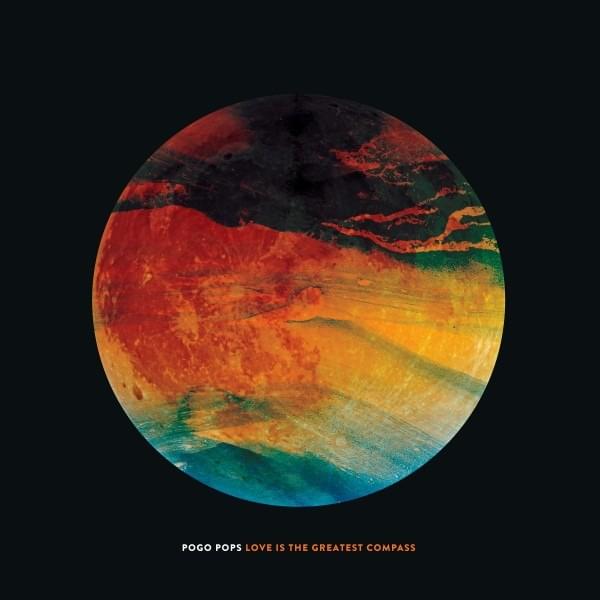
 View Artist