Song Meaning
The narrator grapples with a relationship that feels both distant and intensely present, marked by a sense of unreality and a desperate longing for stability. The opening lines set a surreal scene where a partner poses hypothetical scenarios – running to a hill, falling from it – met with the narrator's confused, inadequate responses. This immediately establishes a disconnect, a feeling that the narrator isn't fully grasping the emotional stakes or perhaps the nature of the relationship itself.
The core tension lies in the narrator's desire for a return to normalcy, a "home," contrasted with the partner's seemingly erratic or dreamlike behavior. The narrator confesses being "tired" and wanting to "go home," a simple, profound need that clashes with the partner's enigmatic pronouncements like being "just another crazy dream." This creates a push-and-pull, where the narrator seeks grounding while the partner exists in a more abstract, perhaps unstable, space.
The most striking aspect of the craft is the narrator's method of "hiding" to cope with this emotional turbulence. First, it's in a "coffee cup," a mundane, almost passive act of disappearing. Then, it shifts to the "telephone," a more active, though still indirect, attempt to reconnect. The hope is that opening the phone will lead to the partner dialing back to "my place," a clear yearning for the relationship to return to a familiar, stable state.
This lyrical approach is effective because it externalizes internal conflict through tangible, yet slightly absurd, imagery. The repeated phrase "Back to my place" becomes an anthem for this desire for safety and familiarity. The narrator's retreat into objects like a coffee cup or a telephone highlights a profound sense of overwhelm, making the simple wish for "home" feel earned and deeply resonant.
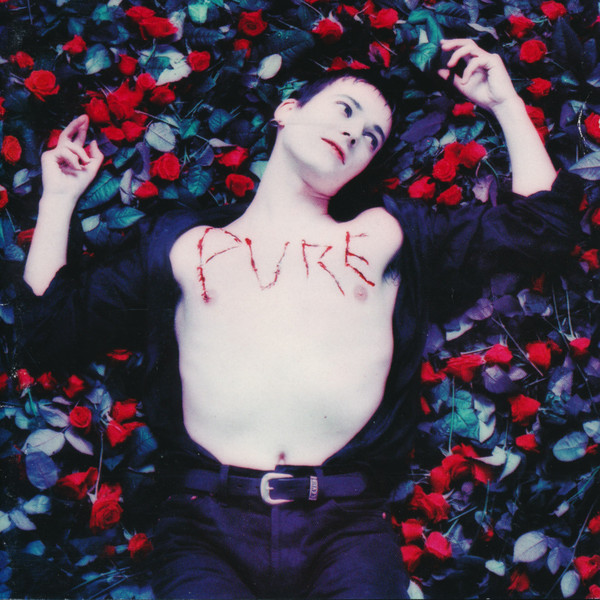
 View Artist