Song Meaning
The narrator crashes a party, seeking oblivion through excessive drinking. The opening lines paint a picture of a recurring pattern: "Excès récurrent, Vodka Red calmant." This isn't a spontaneous decision but a familiar escape route. The narrator admits to being an uninvited guest, "J'me suis incrusté, Dans ta soirée," highlighting a sense of displacement and intrusion.
The core of the song lies in the desperate attempt to numb internal pain. The chorus, "Vider la tête, Thrasher la fête, Payer la dette, Qu'il me reste," reveals a frantic energy aimed at self-destruction as a form of penance or release. The phrase "Payer la dette" suggests a feeling of owing something, perhaps for past actions or simply for existing, which the narrator seeks to settle through chaotic revelry.
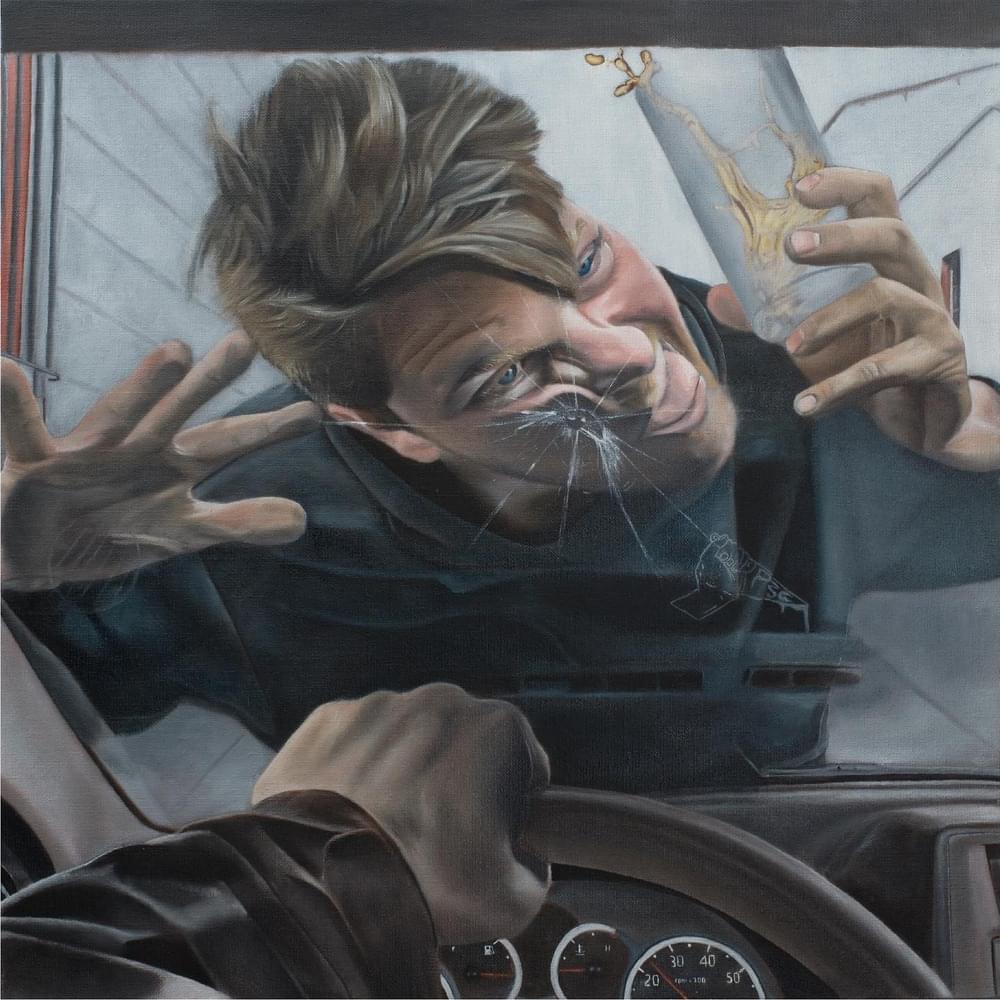
The craft here is in the stark, almost brutal imagery of self-neglect and alienation. "Whisky cendrier, Curly écrasé" evokes a scene of disarray and careless consumption. The repeated plea, "Me parlez pas," underscores a profound desire for isolation amidst the social setting, a clear signal of internal turmoil that makes connection impossible. The bridge, "Qu'est-ce que j'fous ici, J'ai la gueule cassée," directly confronts the narrator's disorientation and physical discomfort, amplifying the feeling of being out of place and unwell.
This lyrical approach is effective because it grounds the abstract desire for escape in concrete, visceral details. The repetition of the chorus and the final, fragmented verses create a sense of a mind trapped in a loop of destructive behavior. The raw, unvarnished language captures a raw, unvarnished emotional state, making the narrator's isolation palpable and the chaotic attempt at release feel desperate rather than celebratory.
 View Artist