Song Meaning
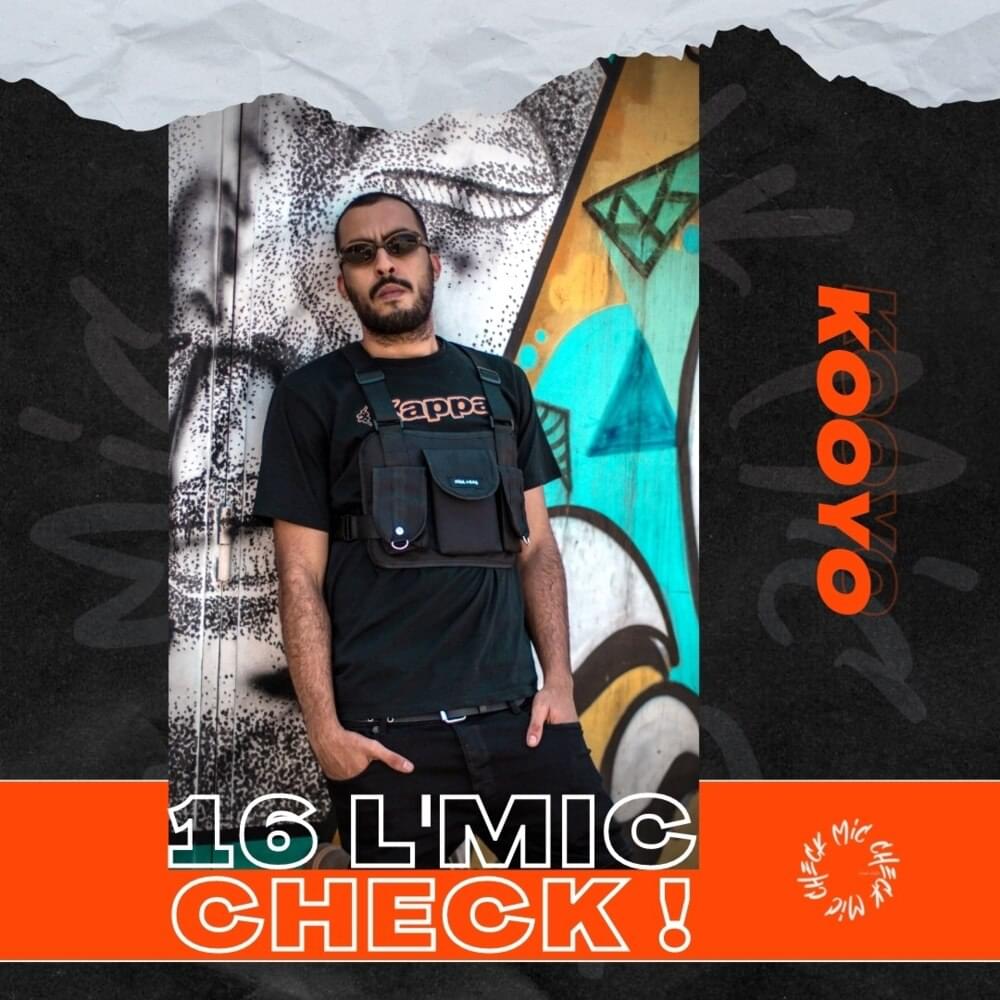
This track throws listeners into a raw, unfiltered scene, immediately establishing a tone of defiance and self-assuredness. The opening lines, "No love / No peace / Ma3ndich / Makhssnich," set a confrontational stage, rejecting external validation and embracing a fiercely independent stance. The narrator, identified as "Kooyo diamond," asserts their presence and authenticity, daring listeners to recognize them if they've seen them before. This isn't just a song; it's a declaration of arrival.
The core tension vibrates between genuine street-level hustle and a critique of superficiality in the rap game. The narrator positions themselves as "Kooyo crack machi demo," a real deal versus those who "Tatkbeer 3ad rappi 3el L'Ego." There’s a clear disdain for rappers who merely talk about the "ghetto" without living it, contrasting their performative authenticity with the narrator's own grounded reality. This is further emphasized by the imagery of "Sauce Mayo fog l hot dog" and "Oujdi sayg l'auto," grounding the narrative in tangible, everyday details rather than abstract boasts.
The lyrical craft here is marked by a rapid-fire delivery and a blend of languages, creating a sense of urgency and authenticity. Phrases like "SEMMI LAH Fuck lPopo" and "Jme3 l9laawi f chi vito" inject a streetwise vernacular that feels immediate and visceral. The narrator’s self-proclaimed status as "Ana li pro" is juxtaposed with sharp put-downs of others, like "rwappa ki rooz" and "Pipi chicos," highlighting a competitive spirit. The repeated assertion of "Kooyo real" against "Ntaya fake" drives home the central theme of authenticity.
What makes these lyrics hit so hard is their unapologetic directness and the vivid, often jarring, imagery they employ. The narrator doesn't shy away from aggression or boastfulness, but it’s all tethered to a sense of lived experience. The contrast between the "Mike Amiri" and "Billie jeans" of success and the underlying "ghetto" narrative suggests a complex reality. Ultimately, the track resonates because it feels like an unfiltered dispatch from someone who has earned their place, demanding recognition on their own terms.
 View Artist