Song Meaning
The lyrics paint a stark picture of emotional detachment and passive observation, set against a bleak, post-industrial landscape. The opening lines immediately establish a sense of blurred reality and suppressed feeling, with the narrator's eyes "razmyvaet gorizont v uzkoy nitke mokrykh glaz" (blurring the horizon in a narrow thread of wet eyes). This suggests a world that is hard to focus on, perhaps due to sadness or a general lack of engagement. The heart is "spryatali v temnitsu" (hidden in a dungeon), no longer feeling pain, which sets up a core tension of emotional numbness.
The central conflict emerges through the relentless repetition of the chorus: "Kazhdyy den' vsyo odno: Ya smotryu v okno, ya smotryu v okno" (Every day is the same: I look out the window, I look out the window). This refrain underscores a profound sense of stagnation and isolation. The narrator views others as "geroi moego kino" (heroes of my movie), a powerful image that frames their lives as a spectacle observed from a distance, rather than experiences to be actively participated in. This creates a disconnect between the narrator's internal state and the external world.
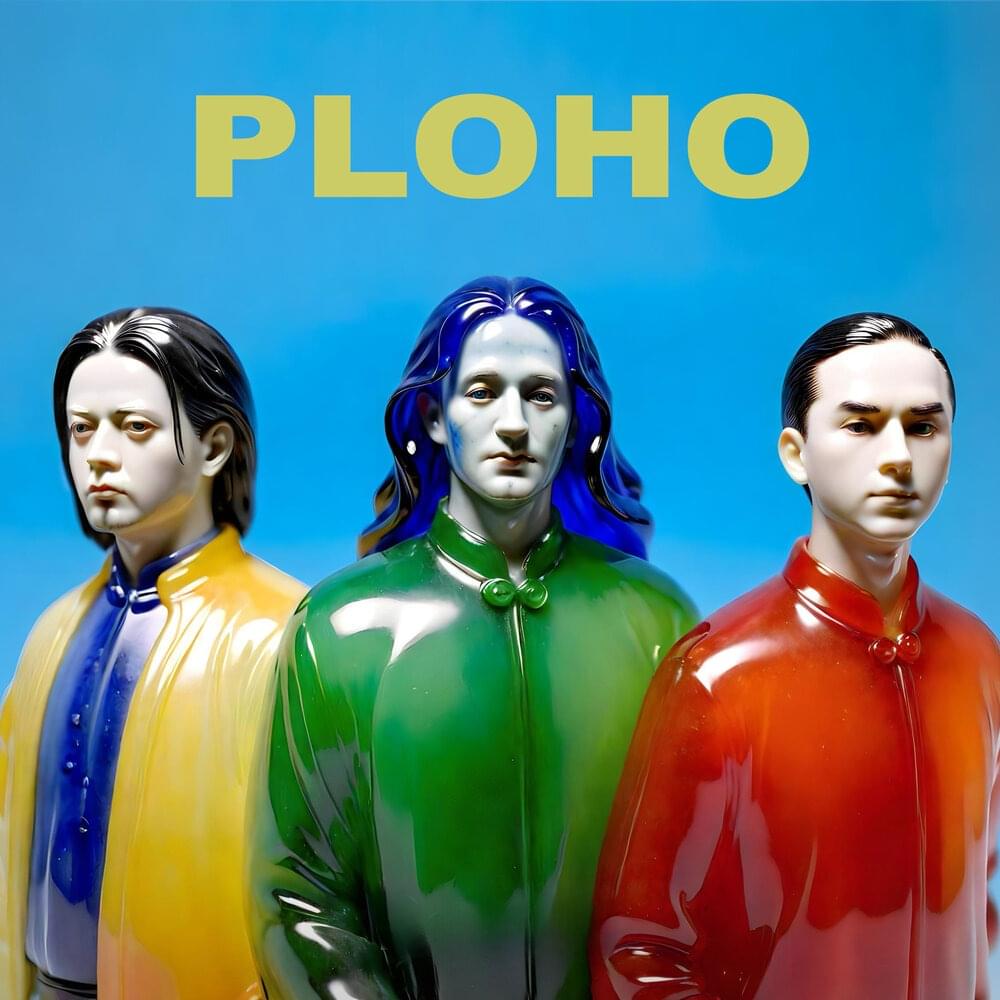
The imagery of "my farforovye ptitsy v gnyozdakh iz betonnykh plit" (we are porcelain birds in nests of concrete slabs) is particularly striking. It juxtaposes fragility and beauty (porcelain birds) with harsh, unyielding reality (concrete slabs), suggesting a delicate existence trapped within an oppressive environment. The second verse further solidifies this atmosphere with "Zimniy vecher" (winter evening), "broshennyy sibirskiy riff" (abandoned Siberian riff), and "yedkiy dym ot zavoda" (acrid smoke from the factory), painting a scene of industrial decay and coldness. The "post-industrial'nyy ambir" (post-industrial empire) and "sto-kvartirnyy renessans" (hundred-apartment renaissance) are ironic, hinting at a faded grandeur or a bleak, uniform existence.
What makes these lyrics resonate is their unflinching portrayal of alienation and the quiet desperation of observing life without truly living it. The repetitive, almost hypnotic chorus emphasizes the monotonous cycle the narrator is trapped in, while the vivid, contrasting imagery of fragile birds in concrete nests captures the feeling of being delicate and vulnerable in a harsh, unfeeling world. The lyrics effectively convey a sense of emotional paralysis, where the outside world becomes a distant film, and the self remains a passive, porcelain observer.
 View Artist