Song Meaning
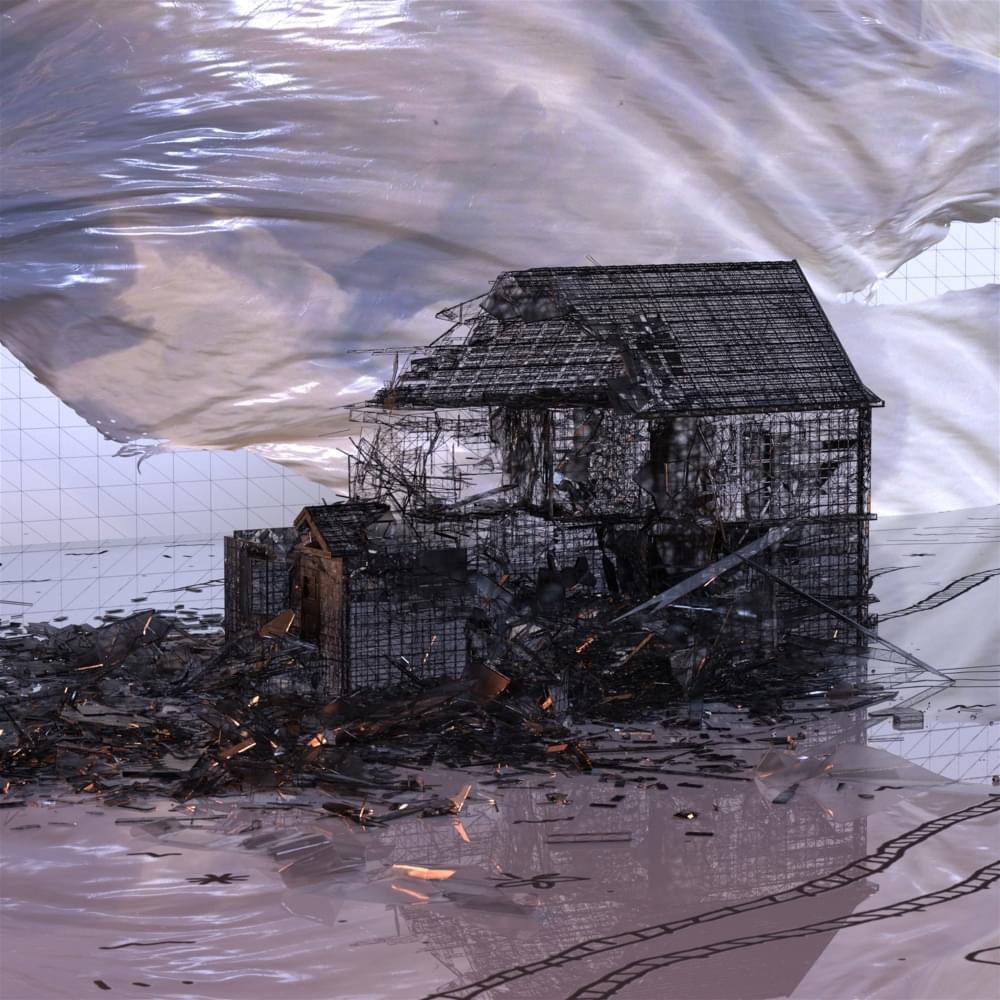
The narrator opens with a stark apology for an unfinished life, a home that never was and the potential it held. The image of flowers that *could have grown* speaks to a profound sense of lost opportunity and unrealized dreams. This isn't just about a physical structure; it's about the life that was meant to flourish within it. The repetition of "I left it all for later" followed by the devastating realization "But later I lost it all" hammers home a theme of procrastination and subsequent regret. The repeated, almost desperate, plea of "Forgive me" underscores the weight of this self-inflicted failure.
The second verse shifts to a broader, more desolate landscape, describing a homeland characterized by blizzards and relentless winds. This environment seems to mirror the narrator's internal state – cold, unproductive, and harsh. The poignant image of birds flying south without them highlights another missed chance, a natural cycle of migration and renewal that the narrator cannot participate in. The line "And I don't know how to fly" is a powerful admission of helplessness and a deep-seated inability to escape their circumstances or personal failings. The repeated "forgive me" here feels like an acknowledgment of this fundamental flaw.
The overwhelming repetition of "Forgive me" throughout the song isn't just a refrain; it's the emotional core. It functions as a desperate, almost ritualistic incantation, a plea for absolution from an unnamed but clearly profound sense of guilt. This relentless apology suggests a narrator trapped in a cycle of regret, unable to move forward or change their trajectory. The starkness of the imagery – the unfinished house, the un-flown birds – combined with the simple, repeated plea creates a powerful sense of melancholic resignation. It's the sound of someone acknowledging their own shortcomings without offering a solution, simply asking for grace.
 View Artist