Song Meaning
The lyrics paint a picture of a tense, almost claustrophobic environment where every detail of a shared space is observed. The opening lines, "These walls have eyes and ears and souls," immediately establish a sense of pervasive scrutiny, suggesting a lack of privacy and perhaps a feeling of being trapped. This intense observation is juxtaposed with a sudden, almost desperate, desire to escape, as indicated by the abrupt "Did you ever think / That we'd run." The repeated phrase "It was the timing the timing so" acts as a refrain, hinting that the escape or the current situation is dictated by external forces or a specific, perhaps missed, opportunity.
The central tension seems to revolve around a conflict between observation and action, or perhaps between a desire for peace and an underlying aggression. The line "They want blood, oh, happy neighbor" is particularly striking, creating a jarring contrast between a seemingly pleasant, neighborly facade and a violent, underlying demand. This suggests a complex dynamic where outward pleasantries mask darker intentions or a looming confrontation. The narrator appears to find a strange solace or perspective in this chaos, as evidenced by the recurring declaration, "We see the beauty in the dischord."
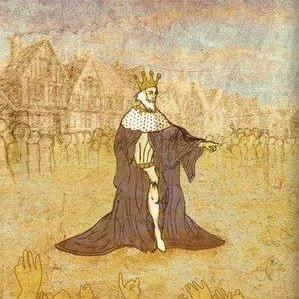
The most compelling aspect of the writing is its ability to evoke a sense of unease through seemingly simple, yet loaded, imagery and repetition. The idea of a "lonely king walks through his land" could suggest a figure of authority or isolation presiding over this tense environment, while the repeated desire to be "happy" and the act of "Getting you off" in the final section introduce a layer of ambiguity. It could imply a desire for release, a plea for understanding, or even a more sinister form of manipulation, all underscored by the persistent, almost fatalistic, notion of timing and discord.
Ultimately, the effectiveness of these lyrics lies in their ability to create a palpable atmosphere of psychological tension and unresolved conflict. The fragmented narrative and the juxtaposition of domestic observation with violent undertones leave the listener with a lingering sense of unease. The repeated motifs of timing and discord suggest a world where agency is limited, and happiness is a fragile, perhaps unattainable, state contingent on external circumstances and the ability to find meaning within chaos.
 View Artist