Song Meaning
The lyrics paint a picture of late-night desperation, a raw plea for the elusive spirit of rock and roll as a bar is about to close. The narrator's immediate reaction to the impending closure is a visceral "¡No jodas!" followed by a stark admission: "No quiero ir a dormir." This isn't just about staying out late; it's a nervous energy, a feeling of being adrift with "No tengo adónde ir." The desire to "rompo todo" suggests a destructive impulse born from this frustration, a need to lash out against the quiet ending of the night.
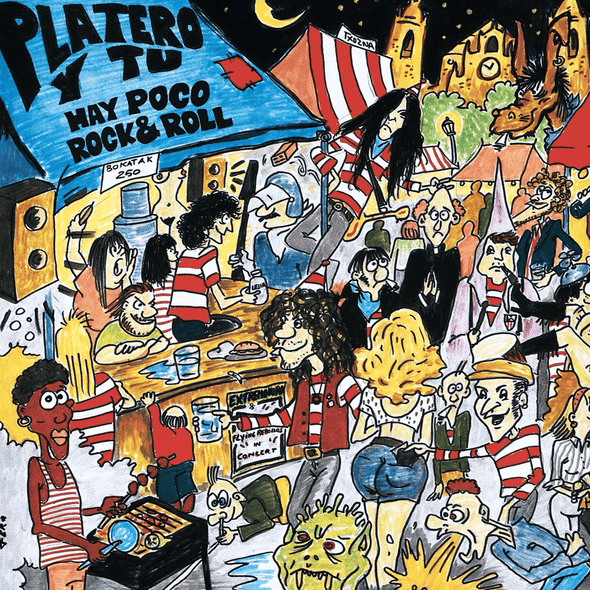
The central tension lies in the stark contrast between the narrator's intense desire for something wild and liberating – "rock & roll" – and the perceived scarcity of it. The repeated refrain "Hay poco rock & roll" acts as a lament, a diagnosis of a world that feels devoid of the energy the narrator craves. This isn't a celebration of rebellion, but a desperate search for it when it seems to have vanished.
The lyrics offer a glimpse into a bleak, transactional nightlife scene. A suggestion to go to "la Buhardia" is met with a cynical dismissal, replaced by a grim destination: "Dos putas y un madero." The unsettling punchline, "Y uno de los tres / No es bueno," implies a grim reality where even this debased pursuit offers little satisfaction, hinting at danger or disappointment within the available options. This sharpens the feeling that the promised "rock & roll" is not just absent, but that the alternatives are equally unappealing or even dangerous.
Ultimately, the effectiveness of these lyrics stems from their unflinching portrayal of a specific kind of existential dread. It's the feeling of being left stranded when the music stops, with nowhere to go and a gnawing anxiety that the very thing that could save the night – that "rock & roll" energy – is nowhere to be found. The raw, almost childlike insistence of "Yo quiero..." against the backdrop of this bleakness makes the narrator's plight feel both pathetic and intensely relatable.
 View Artist