Song Meaning
The lyrics paint a picture of a fleeting, intense connection, possibly fueled by substances, that dissolves the narrator's usual defenses. The opening lines, "Yo no te conozco / Tú tampoco a mí," establish an immediate sense of anonymity and detachment, yet this is quickly replaced by a physical and emotional surrender: "Yo te doy mi cuerpo / Y me hace sentir." This exchange creates a raw, immediate intimacy that bypasses conventional social barriers.
The central tension lies in the narrator's embrace of a state of "bobo" – foolishness or silliness – that arises from this encounter. It's a deliberate shedding of pretense, as the narrator states, "No quiero que pienses / Que no sé vivir." This suggests a conscious choice to let go of control and judgment, finding liberation in this uninhibited state, even if it's temporary and perhaps chemically induced, hinted at by the line "(Algo blanco) / Para mi nariz."
The most striking aspect is the narrator's acceptance of this "bobo" state as neither good nor bad, but simply a feeling: "No es bueno ni malo / Si lo miro así." This pragmatic, almost detached observation of their own altered state highlights a desire for pure sensation over moral evaluation. The repeated refrain, "Contigo estoy / Y contigo bobo soy," reinforces the idea that this feeling of carefree foolishness is directly tied to the presence of the other person, creating a shared, albeit transient, reality.
Ultimately, the effectiveness of these lyrics comes from their unvarnished portrayal of a moment of pure, unadulterated sensation. The narrator isn't seeking deep meaning or lasting connection; they're reveling in the immediate, visceral experience of feeling alive and unburdened, even if it means embracing a temporary state of "bobo." The directness and lack of judgment make the raw emotion palpable.
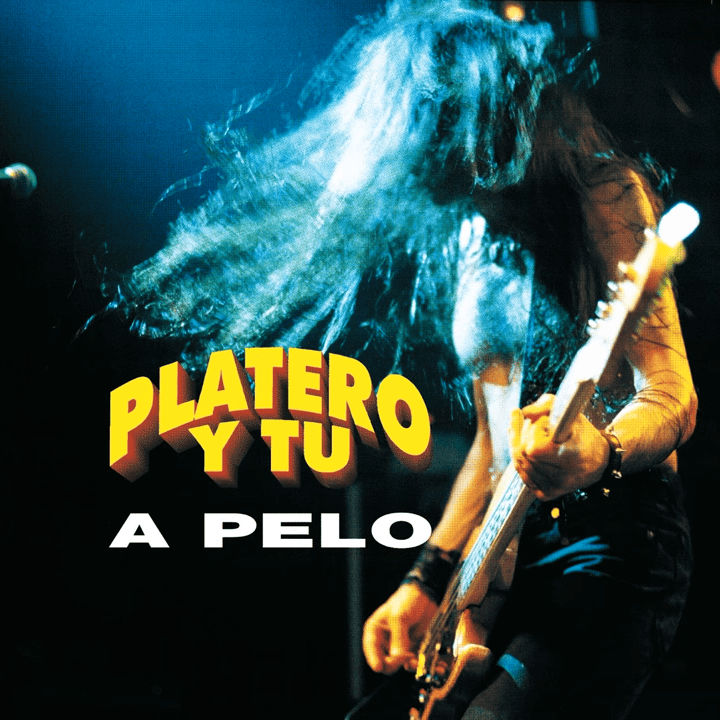
 View Artist