Song Meaning
The lyrics paint a stark picture of isolation and external judgment, urging a specific person to find solace in the narrator's presence. The repeated plea, "Turn to me, turn to me," establishes a direct, almost desperate, invitation to connection amidst loneliness. It’s a call to shed external pressures – "Brush them aside, gather your pride" – and seek refuge in a shared understanding, suggesting the narrator has experienced similar pain.
The central tension arises from the contrast between the harsh reality of being maligned and the narrator's offer of unwavering support. The lyrics acknowledge the sting of false accusations and the emotional toll of being misunderstood, noting, "I know it hurts, but baby I've had it too." This shared experience of "abuse" and being disregarded creates a foundation for the narrator's plea, positioning them as a fellow survivor.
The most striking craft element is the juxtaposition of external deception with the narrator's earnest appeal. While "people... spread lies about your name" and "pretend that your company is bright," the narrator sees the truth of the other person's suffering – "Your laughter has died." The imagery of a "phone that has died" powerfully underscores the futility of waiting for external validation or rescue, reinforcing the narrator's role as the only viable source of comfort.
Ultimately, the effectiveness of these lyrics lies in their raw, unvarnished depiction of emotional vulnerability and the simple, yet profound, offer of solidarity. The narrator doesn't offer grand solutions, but a steadfast presence against a world that "disregard[s] my emptiness." It’s this grounded, shared struggle that makes the repeated invitation to "turn to me" resonate so deeply.
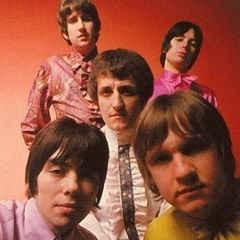
 View Artist