Song Meaning
The lyrics paint a picture of a long-awaited union, where the moment of connection feels like a true beginning. There's an immediate sense of shared destiny, as if "Our lives have just begun" and the time for this relationship has finally arrived. The dominant tone is one of hopeful liberation and profound joy, suggesting a release from past constraints.
The central tension lies in the contrast between the couple's newfound freedom and an external force that "does not have the right / To deny... Our right to love." This implies a struggle or a past where their love was perhaps suppressed or questioned, making their current state of unity feel even more precious and hard-won. The act of loving is presented as a fundamental right that they are now able to claim.
The repeated phrases "To love, to live again" and "To laugh, to cry again" are powerful. They don't just signify starting a new chapter, but a reclamation of full emotional experience after a period of dormancy or suppression. This isn't just about romance; it's about regaining vitality and the capacity for all human feeling, suggesting that their connection is the catalyst for this rebirth. The imagery of going "to where we've never been" further emphasizes this sense of pioneering a new, shared existence.
Ultimately, the effectiveness of these lyrics stems from their direct, almost declarative statements of emotional truth and shared purpose. The simple, earnest language and the recurring motifs of beginning, freedom, and shared dreams create an anthem of romantic liberation. The unwavering assertion of their "right to love" makes the personal experience feel like a universal declaration of independence, resonating with the desire for authentic connection against any odds.
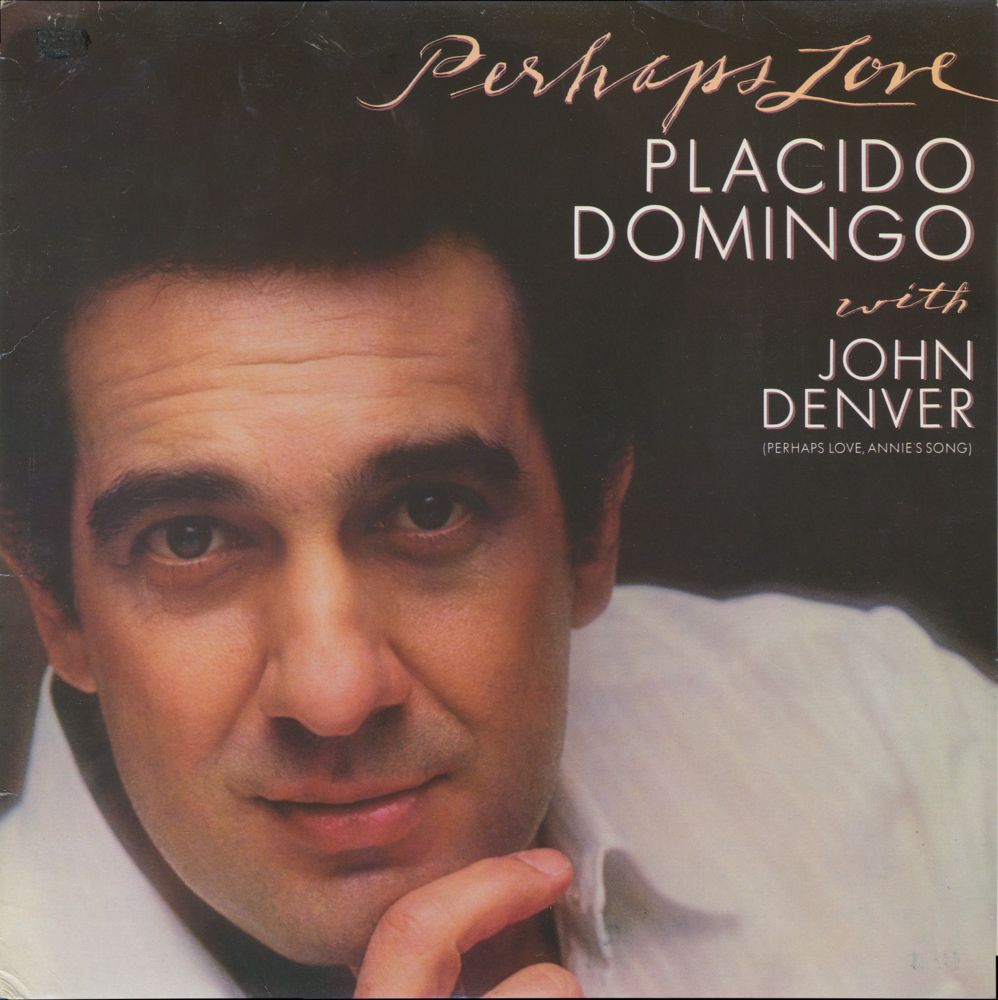
 View Artist