Song Meaning
P.J. Proby's "Twilight Time" isn't just a romantic ballad; it's a carefully constructed emotional landscape painted in hues of longing and reunion. The song's lyrics capture the exquisite anticipation of lovers meeting as day transitions into night. "Heavenly shades of night are falling… It's twilight time," Proby croons, immediately establishing the liminal space where reality softens and emotions heighten. The recurring motif of twilight symbolizes a transition, not just of time, but of emotional states – a move away from the mundane and towards the passionate. It's a cleverly chosen setting; twilight offers both a sense of mystery and the promise of intimacy, perfectly mirroring the complexities of desire.
Beyond the literal meeting of lovers, "Twilight Time" delves into the psychological comfort of ritual and the intoxicating power of memory. The lyrics emphasize repetition: "Here in the sweet and same old way / I fall in love again as I did then." This suggests a relationship built on familiar pleasures and the reassurance of shared history. The twilight rendezvous isn't just a date; it's a reaffirmation of the bond, a chance to relive the initial spark. There's a vulnerability in admitting the need for this repeated validation, hinting at the underlying anxieties that even the most enduring love affairs must confront. The darkness itself becomes a sanctuary, a place where "your kiss will thrill me / Like days of old," indicating a longing for the past intertwined with the present.
Ultimately, the song's meaning rests on the cyclical nature of desire and the human need for connection. The repeated phrase "Together at last at twilight time" becomes a mantra, a hopeful incantation against the loneliness of separation. Proby's performance, combined with the evocative imagery of twilight, creates a powerful sense of yearning and fulfillment. The song doesn't shy away from the slightly melancholic undertones of longing, acknowledging that the joy of reunion is often amplified by the pain of absence. It’s this emotional honesty, wrapped in a beautifully orchestrated melody, that gives "Twilight Time" its enduring appeal.
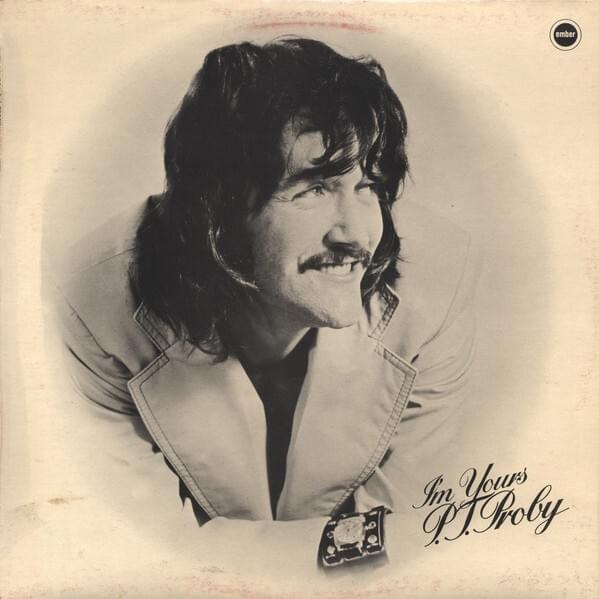
 View Artist