Song Meaning
P.J. Proby's rendition of "The Masquerade Is Over" aches with the slow-motion realization of love's expiration. The opening lines paint a bleak emotional landscape: horizons turning gray, dreams adrift. This isn't a sudden explosion of heartbreak, but a creeping, insidious fade. The core of the song meaning resides in the loss of authenticity; the 'masquerade' isn't just a deception *by* one partner, but the mutual pretense required to maintain a love that's no longer genuine. The repeated line "and so is love" acts as a stark, almost brutal, acknowledgement of this painful truth. The lyrics convey a sense of inevitability, like watching a slow-motion car crash you're powerless to prevent. Proby's performance amplifies this sense of resignation.
The reference to Pagliacci, the tragic clown, elevates the song beyond a simple breakup lament. It delves into the psychological burden of performing happiness while internally crumbling. The singer anticipates having to adopt a 'clown's disguise', masking his pain with forced laughter. It's a sophisticated understanding of how we often perform emotions for the sake of social acceptance, even when our inner world is in turmoil. The repetition of “you look the same, you’re a lot the same, but my heart says ‘No, no, you’re not the same’” is particularly poignant. It captures the disorienting experience of seeing someone you love, but recognizing that the essence of that connection has vanished.
Ultimately, "The Masquerade Is Over," in Proby's interpretation, is a study in emotional disillusionment. It's about the death of intimacy and the agonizing process of accepting that what was once vibrant and alive has become a hollow performance. The song's power lies in its unflinching portrayal of love's slow decay and the subsequent need to conceal one's true feelings behind a mask of normalcy. It speaks to the universal fear of losing connection and the lonely struggle of maintaining appearances when the heart is breaking.
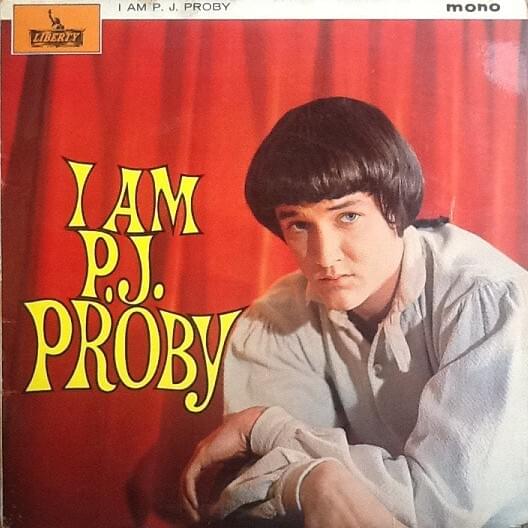
 View Artist