Song Meaning
P.J. Proby's "Cuttin' In" is a masterclass in assertive, almost primal possessiveness disguised within the polite veneer of mid-century social dance etiquette. The lyrics drip with a territorial claim, thinly veiled by apologies and the repeated phrase, "Excuse me, pardner." It's a fascinating study in how men of that era navigated the complexities of relationship conflict and public displays of affection, or, in this case, the forceful reclamation of it. The song’s core isn't about seeking permission; it's about declaring ownership. The narrator isn't asking to cut in; he's informing. The politeness is a formality, a social lubricant designed to smooth over what is, at its heart, an act of dominance. The psychology at play is fascinating: a fragile male ego, wounded by a lover's spat, desperately seeking to reassert control and stave off the perceived humiliation of rejection.
Beneath the surface of dance floor decorum, "Cuttin' In" exposes the raw nerve of insecurity. The narrator's insistence that his girl "didn't mean a word that she said" is less about understanding her feelings and more about reassuring himself. He needs to believe the argument was a mere blip, a temporary deviation from the natural order of their relationship, where he is firmly in charge. The phrase "I'm gonna romance with" is particularly telling. It's not an invitation to intimacy or a promise of tenderness; it's a statement of intent, a declaration of his prerogative. The objectification is subtle but undeniable, revealing a power dynamic where the woman's agency is secondary to the man's desire to possess and control.
The power of P.J. Proby's delivery sells the song. The repeated apologies become less about politeness and more about ritualistic incantations, a necessary prelude to the act of "cuttin' in." It's a fascinating glimpse into the social constraints and unspoken rules of a bygone era, where male possessiveness was often masked as chivalry, and where a simple dance floor intervention could reveal the intricate power dynamics simmering beneath the surface of a relationship. The song's enduring appeal lies in its unflinching portrayal of these primal instincts, dressed up in a suit and tie and played out under the glittering lights of a dance hall.
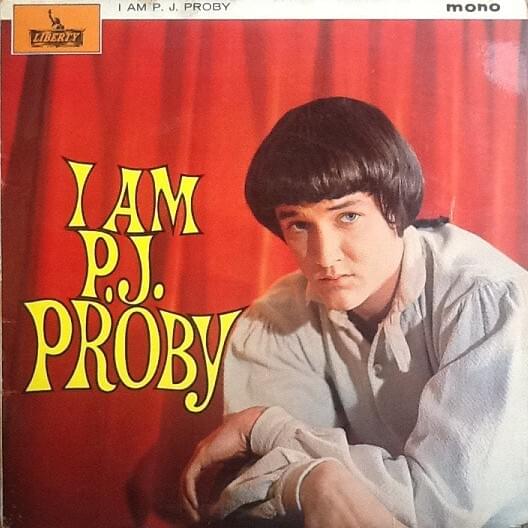
 View Artist