Song Meaning
P.J. Proby's "Crawling Back" isn't a song; it's a psychological portrait of codependency painted with raw, almost masochistic, honesty. The track dives headfirst into the depths of a relationship defined by imbalance and, frankly, a disturbing lack of self-respect. The repeated phrase, "crawling back," isn't just a lyric; it's a visceral image of someone reduced to a submissive state, perpetually returning to a source of pain. The song meaning hinges on this central, self-destructive impulse. Proby isn't singing about love as a mutual exchange, but as an addiction.
The lyrics themselves are devoid of any illusion. There's no sugarcoating the dynamic. He acknowledges the pain ("After all you've done to me / The times you've turned me down"), yet remains inextricably drawn back. The self-deprecation is brutal ("I still will be your clown"). This isn't the idealized romantic suffering of a lovesick teenager; it's the desperate, almost pathetic, clinging of someone who has lost all sense of personal boundaries. The narrator's willingness to "die" for the object of his affection underscores the unhealthy level of sacrifice and the complete erasure of self-preservation.
What elevates "Crawling Back" beyond mere melodrama is the subtle hint of justification woven into the lyrics. The lines "People stop they talk and they stare / But they don't know that you really care" suggest a desperate attempt to rationalize the unhealthy attachment, projecting a hidden vulnerability onto the other person. This hints at a shared loneliness, a mutual need masked by a destructive power dynamic. Ultimately, however, the song serves as a stark reminder of the dangers of sacrificing one's self-worth in the pursuit of affection, leaving the listener to question the true cost of such a deeply flawed relationship.
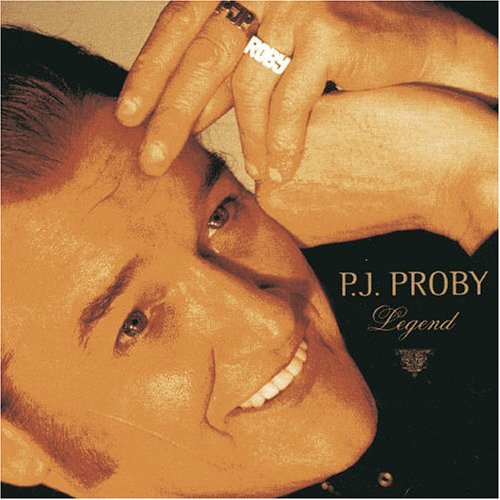
 View Artist