Song Meaning
PJ Harvey's "You Said Something" operates in the liminal space between memory and meaning, a hazy Brooklyn rooftop where the Manhattan skyline blurs with unspoken feelings. The song circles a central, almost painfully present absence: a remembered phrase whose content remains frustratingly elusive to the listener, yet eternally resonant for the narrator. It's a masterclass in building emotional tension through suggestion, hinting at a pivotal moment without ever fully revealing its substance. The lyrics sketch a vivid, almost cinematic scene – the glittering cityscape, the intimacy of shared observation, the tentative exploration of cultural backgrounds. These details ground the ethereal 'something' in a concrete reality, amplifying its impact.
The power of "You Said Something" lies in its psychological acuity. The obsessive repetition of the titular phrase underscores the narrator's fixation, hinting at a moment of profound connection or revelation. "How did we get here?/To this point in living?" she asks, suggesting a journey, both literal and emotional, that has led to this charged encounter. The act of "acting like lovers" introduces an element of performance, perhaps masking deeper vulnerabilities or desires. The song delicately probes the ways in which fleeting moments can etch themselves into our consciousness, shaping our understanding of ourselves and our relationships.
Ultimately, the meaning of "You Said Something" isn't about the words themselves, but about the emotional weight they carry. It's a study in the power of suggestion, the way a single utterance can encapsulate a complex web of feelings and experiences. PJ Harvey leaves us to fill in the blanks, to project our own desires, fears, and longings onto the unspoken words. The song becomes a mirror, reflecting our own memories of pivotal moments and the enduring mystery of human connection. The "important" thing said is a universally felt emotional truth, not a specific divulgence. The listener is meant to feel the weight of unsaid words in their own lives.
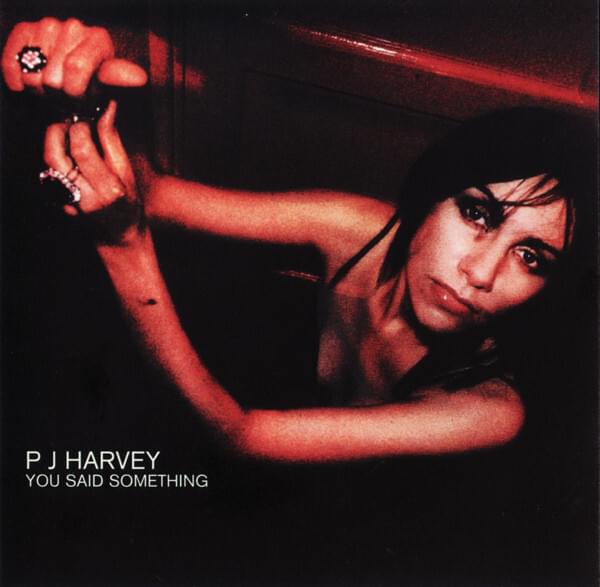
 View Artist