Song Meaning
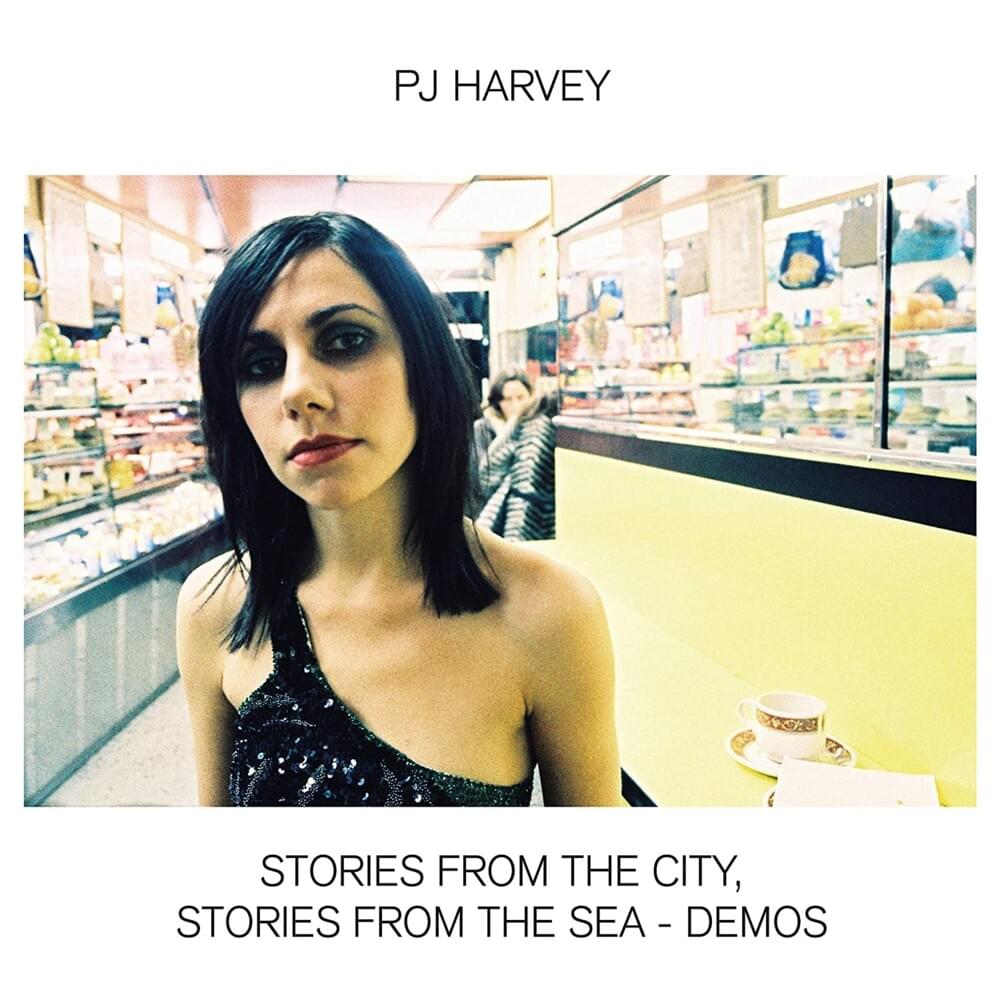
PJ Harvey's demo, "We Float," isn't just a song; it's a stark, intimate autopsy of a relationship collapsing under the weight of ambition and self-destruction. The opening lines, "We wanted to find love / We wanted success / Until nothing was enough / Until my middle name was excess," immediately set a tone of disillusionment. Harvey lays bare the initial hunger for connection and achievement, only to reveal how those very desires morphed into an insatiable void. This speaks to a deeper psychological truth: the pursuit of external validation often leads to internal emptiness, a theme Harvey masterfully explores. The image of getting "lost into the city / Got lost into the white" suggests a descent into anonymity and perhaps addiction, a theme that recurs throughout her work. The white could represent a loss of innocence, a blank canvas onto which destructive behaviors are projected.
The second verse intensifies the sense of unraveling. The line "I'm your mother's little helper / Yeah, you take me and black out" evokes a co-dependent, potentially toxic dynamic. The reference to being a "mother's little helper" is particularly loaded, hinting at substance abuse and a desperate attempt to soothe someone else's pain, or perhaps her own. The subsequent warning, "Before somebody blows your goddam' brains out," is a chilling glimpse into a world of danger and volatility. Juxtaposed with the memory of childhood shoplifting and a "model's smile," the lyrics paint a picture of fractured innocence and a performative facade. The admission that "You carried all my hope / Until something broke inside" reveals the devastating impact of unmet expectations and the inherent fragility of human connection.
The chorus, "But now we float / Take life as it comes," offers a temporary reprieve, a kind of detached acceptance. However, it's not necessarily a peaceful resignation. "Floating" can also imply a lack of control, a drifting without direction. The final verse continues this exploration of resignation and potential doom. The questions, "So will we die of shock? / Die without a trial / Die on Good Friday / While holding each other tight," are haunting and evocative. The reference to Good Friday, a day of sacrifice and mourning, adds a layer of religious symbolism, suggesting a profound sense of loss and perhaps even a desire for redemption. The acknowledgement that "This is kind of about you / This is kind of about me / We just kind of lost our way / But we were looking to be free" encapsulates the central tragedy: two people who sought liberation ultimately became entangled in a web of their own making. The repetition of "But one day we'll float" at the song's end offers a sliver of hope, but it's a fragile hope, tempered by the preceding darkness.
 View Artist