Song Meaning
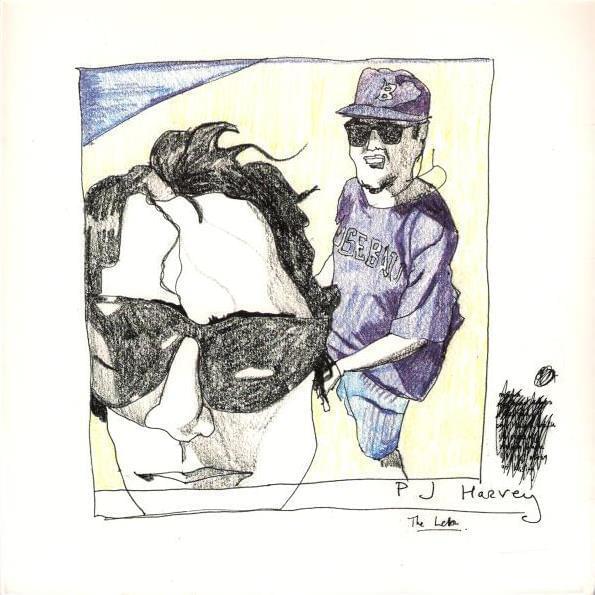
PJ Harvey's "The Letter" is less a romantic ballad and more a study in the fetishization of communication, a yearning delivered through the tactile rituals of old-school correspondence. In a world drowning in digital ephemera, the song elevates the simple act of writing and receiving a letter to the level of primal desire. The lyrics aren't focused on *what* is written, but *how* it's written—the "curve of my 'g', the longing" becomes more important than any declarative statement of love. This speaks to a deep anxiety about authenticity in an age of instant, often superficial, connection. Harvey seems to suggest that genuine emotion can only be conveyed through the deliberate, almost sensual, act of crafting a physical message.
The verses are steeped in physicality, emphasizing the sensory experience of writing and sealing a letter: "Put the pen to the paper," "wet the envelope, lick and lick it." This isn't just about sending a message; it's about imbuing the message with the sender's essence. The repeated "Oh, oh" chorus acts as a kind of incantation, a primal scream of longing that underscores the urgency of the message. This raw emotion, juxtaposed with the delicate act of letter-writing, creates a tension that is both unsettling and deeply compelling. It's a contrast between the digital coldness and the messy, passionate, human touch.
Ultimately, "The Letter," by PJ Harvey, becomes an exploration of intimacy in an increasingly impersonal world. The song's meaning resides not in the words themselves, but in the ritual, the anticipation, and the vulnerability inherent in exposing one's handwriting – and therefore, one's self – to another. The repeated refrain "I want you" is stripped down to its essence, a primal need for connection made all the more poignant by the antiquated medium through which it's expressed. In this context, the act of writing a letter isn't just communication; it's an act of devotion, a tangible manifestation of desire in a world where so much feels fleeting and insubstantial.
 View Artist