Song Meaning
PJ Harvey's "Pocket Knife" isn't just a rejection of marriage; it's a visceral scream against the premature curtailment of self. The titular pocket knife, far from a symbol of violence, represents agency and self-preservation. It's the sharp, glinting refusal to be passively molded into someone else's expectations. The wedding dress, a traditional symbol of commitment and future happiness, becomes a suffocating shroud, a premature burial of potential. The lyrics, delivered with Harvey's characteristic blend of vulnerability and defiance, paint a portrait of a young woman grappling with the suffocating weight of societal expectations. She's not against love, but against the prescriptive narrative of marriage as the ultimate goal. There's a raw, almost primal fear of losing herself in the process. It's a preemptive strike against the potential for a life unlived, a future dictated by tradition rather than personal desire. The question, "How does anybody learn?" isn't rhetorical. It's a desperate plea for guidance in navigating a world that seems intent on rushing her towards a predetermined destiny.
"Pocket Knife" pulses with a deep-seated anxiety about the loss of innocence and the relentless march of time. The repetition of "How the world just turns and turns / How does anybody learn?" morphs into "How the world slips by so fast / How does anybody last?", highlighting the ephemeral nature of youth and the pressure to solidify one's identity before it vanishes. The plea to "Mummy, put your needle down" is particularly poignant, revealing a desire to connect with her mother's experience while simultaneously forging her own path. It's a recognition of the cyclical nature of expectations, and a determination to break free from its predetermined course. The line "I feel like I've just been born / Even though I'm getting on" encapsulates the disorienting feeling of being simultaneously rushed and unprepared.
The bridge, with its imagery of the world "coming" and bees "humming," offers a brief respite, a moment of surrender to the natural world's rhythm. Yet, even here, the line "And I'll keep running" underscores the underlying sense of urgency and the need to escape. The final verses solidify the song's central theme: a desperate plea for autonomy. "Flowers I can do without / I don't wanna be tied down" is a straightforward declaration of independence, while the lines "I just want to make my own fuck-ups / I'm not trying to break your heart / I'm just trying not to fall apart" reveal the raw, vulnerable core beneath the defiant exterior. "Pocket Knife" is a battle cry for self-determination, a reminder that the most important journey is the one we take towards understanding and embracing our own unique selves.
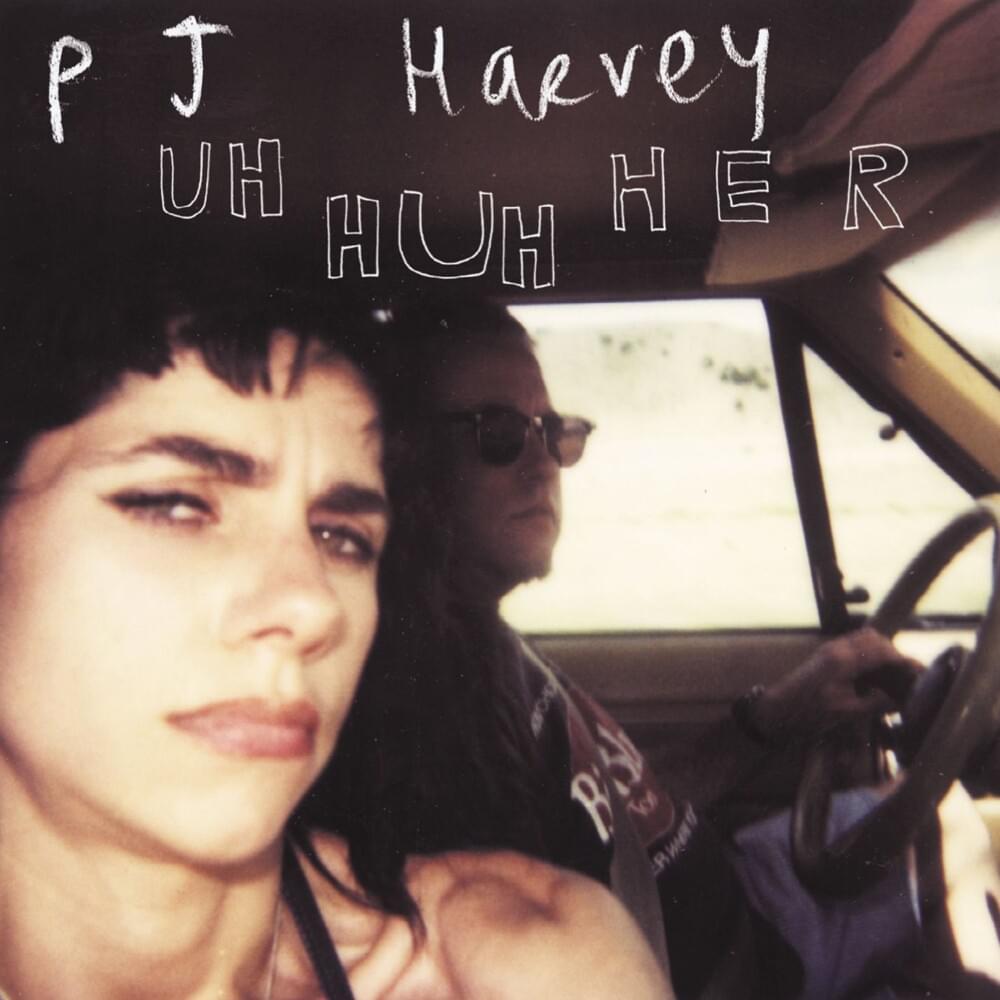
 View Artist