Song Meaning
PJ Harvey's stark pronouncements in "No Child of Mine" are a masterclass in emotional distancing, delivered with the icy precision that's become a hallmark of her sound. The repetition of the lines "I have no time for hate or love...Hey child, you're no child of mine" isn't just a lyrical hook; it's a psychological barrier. It suggests a profound detachment, a conscious severing of ties from someone perceived as a source of negativity and suffering. The "child" in question, burdened by "woe," is met not with compassion, but with a cold refusal of responsibility. This is not a song about nurturing; it's about the brutal calculus of self-preservation.
The genius of the song lies in its ambiguity. Is the "child" a literal offspring, or a symbolic representation of something unwanted – a past self, a destructive habit, an emotional vulnerability? The lyrics offer no easy answers. The stark rejection could stem from a place of deep pain, a history of trauma that necessitates such a drastic act of self-protection. Or, perhaps more disturbingly, it hints at a chilling capacity for indifference, a willingness to prioritize personal well-being above all else, even at the expense of a fundamental human connection.
Ultimately, "No Child of Mine" is a bleak exploration of the limits of empathy and the difficult choices we make to survive. The minimalist lyrics, repeated like a mantra, create a haunting atmosphere of emotional desolation. It's a song that lingers in the mind, prompting uncomfortable questions about the boundaries of love, responsibility, and the potential for darkness within us all. Harvey doesn't offer absolution, only a raw, unflinching portrait of a psyche in conflict.
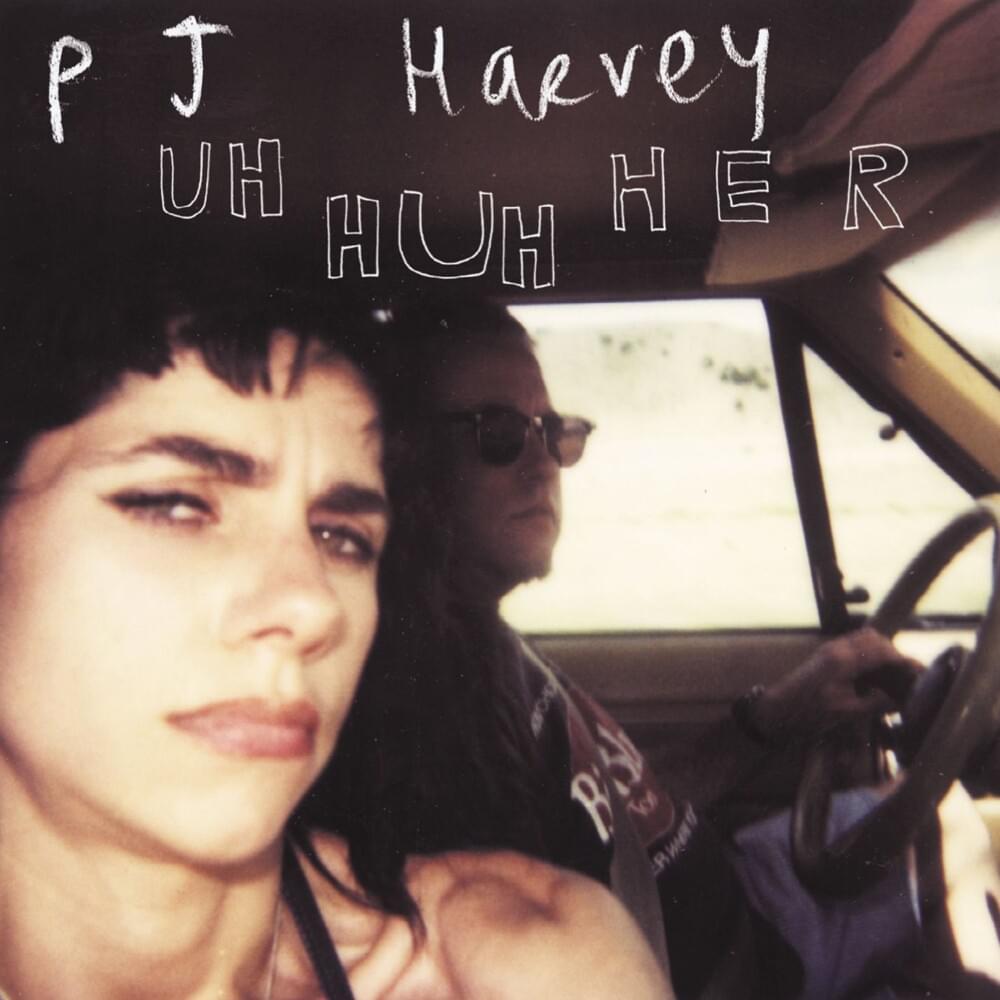
 View Artist