Song Meaning
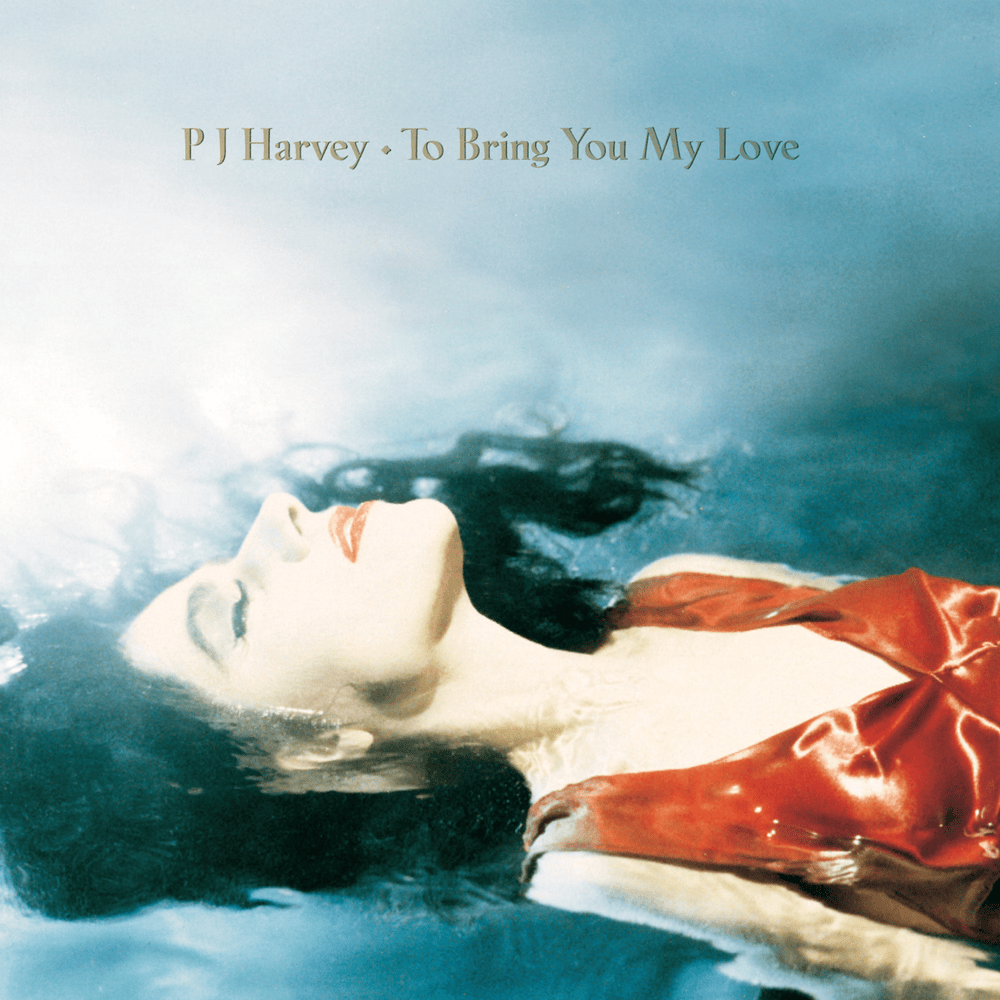
PJ Harvey's "Long Snake Moan" is a masterclass in sonic and lyrical dominance, a raw, visceral exploration of power dynamics within a relationship. The song meaning isn't coy; it's a direct confrontation with themes of control, religious allusion, and sexual assertion. Harvey doesn't whisper; she commands attention, positioning herself as the puppeteer, the one in possession of the "voodoo working." The opening lines, "Dunk you under / Deep salt water," immediately establish a baptismal imagery, yet twisted. Instead of cleansing, it's a submergence into her world, a symbolic drowning of the lover's will. This isn't about mutual vulnerability; it's about the intoxicating allure of absolute control.
The religious imagery intensifies the song's psychological complexity. References to "Hell's low, God above" and the plea to "Raise me up, Lord / Call me Lazarus" suggest a yearning for transcendence, but one achieved through earthly power and manipulation, not divine grace. Harvey twists religious iconography, using it to amplify her own authority. The line, "You oughta see me from my throne," isn't just arrogant; it's a declaration of self-deification. She's not asking for permission; she's daring you to challenge her rule. The "long snake moan" itself is a multifaceted symbol. It suggests primal desire, a guttural expression of both pleasure and pain, and a phallic assertion of dominance. The moan becomes the sonic embodiment of her power, a sound that both seduces and terrifies.
"Long Snake Moan" resists easy categorization. It's not simply a feminist anthem or a straightforward tale of sexual liberation. Instead, it's a nuanced exploration of the intoxicating and potentially destructive nature of power. The repeated assertion, "It's my voodoo working," highlights the almost hypnotic influence she wields. The song's power lies in its ambiguity; is this a celebration of female empowerment, a cautionary tale about the corrupting influence of control, or something in between? PJ Harvey doesn't provide easy answers; she forces the listener to confront the uncomfortable realities of desire, power, and the human psyche. The lyrics analysis reveals a disturbing yet fascinating portrait of control and dominance.
 View Artist