Song Meaning
PJ Harvey's "Joe (Demo)" operates on a stark, almost biblical level of intimacy and desperate reliance. The repeated invocation of "Joe, ain't you my buddy, thee?" isn't a casual endearment; it's a primal scream for unwavering support. The lyrics paint a portrait of someone teetering on the edge, anticipating inevitable collapse ("Stay with me when I fall and die"), and clinging to the hope that Joe will be the savior, the one to restore clarity ("Clear the mud out of my eye"). This isn't just about needing a friend; it's about needing a redeemer. The archaic language ("thee") adds to the sense of timeless, fundamental human need.
The second verse shifts the dynamic into something more complex, even unsettling. The singer offers a submissive act of devotion ("Come in close and I'll wash your feet / With my hair I'll mop them dry"), echoing Mary Magdalene's gesture towards Jesus. Yet, this isn't purely selfless. The preceding line, "Lay my enemies out in lines," suggests that this act of service is conditional, predicated on Joe's willingness to act as protector and avenger. It's a transaction of vulnerability and power, blurring the lines between love, dependence, and manipulation. The lyrics analysis reveals a codependent relationship fueled by desperation.
The final verse solidifies the song's apocalyptic tone. The "hell and dead-lock time" implies a world crumbling, a personal crisis mirroring a larger societal decay. The image of being "trussed in that headache tree" is particularly potent, evoking both crucifixion imagery and a sense of overwhelming mental anguish. The plea to be "Cut me down with your silver knife" is a plea for liberation, for a swift and merciful end to suffering. The "silver knife" isn't just a tool; it's a symbol of preciousness, of the rare and valuable intervention that only Joe can provide. The song meaning hinges on this intense, almost unbearable need for external salvation.
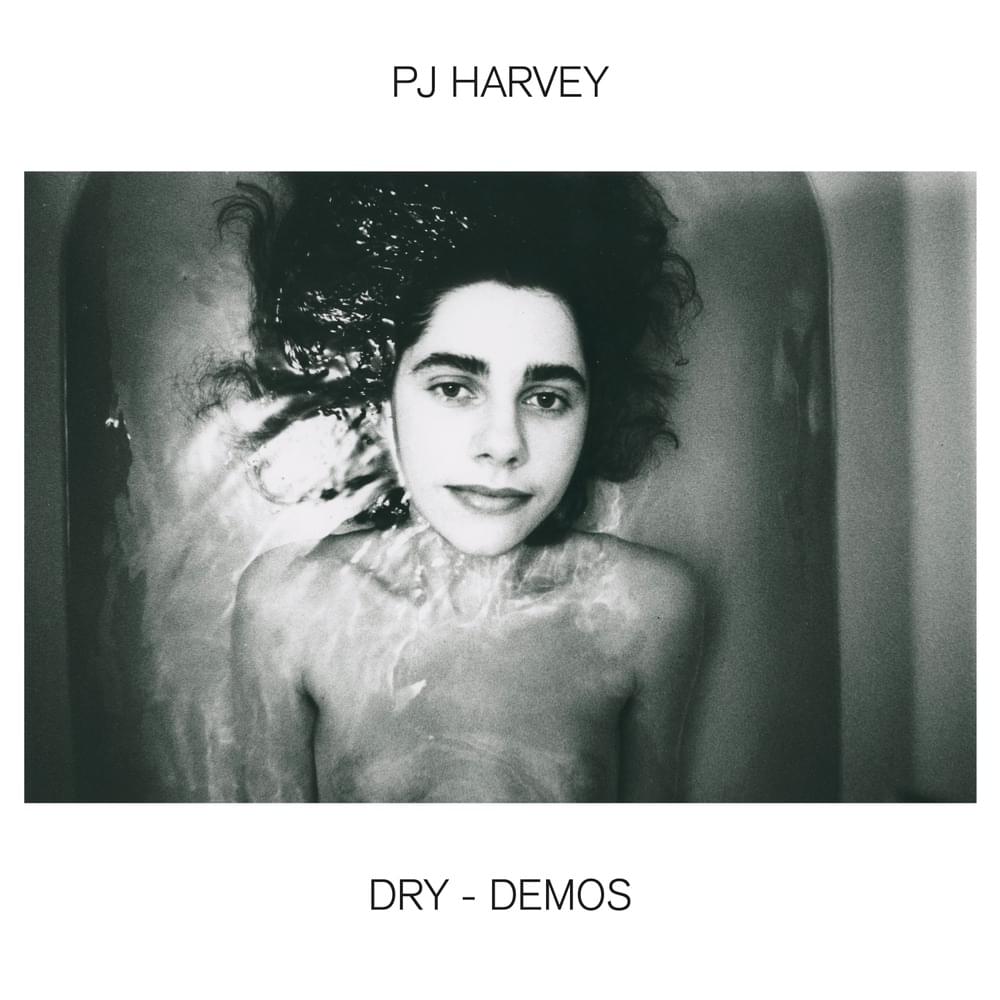
 View Artist