Song Meaning
PJ Harvey's "A Dog Called Money" isn't just a song; it's a stark tableau of economic disillusionment, distilled through a lens of street-level observation. The opening scene, with kids gambling for pocket change, immediately sets a tone of scarcity and desperation. Then comes the old man, a cynical chorus figure, who lays bare a world where everything is "staged," and people are merely commodities, bought and sold. This refrain, delivered with world-weary resignation, underscores a deep-seated distrust of the systems at play. The repetition highlights the normalization of corruption, making it seem unavoidable. His question, "What you gonna do to change it?" is a gauntlet thrown down, not just to the listener, but to Harvey herself.
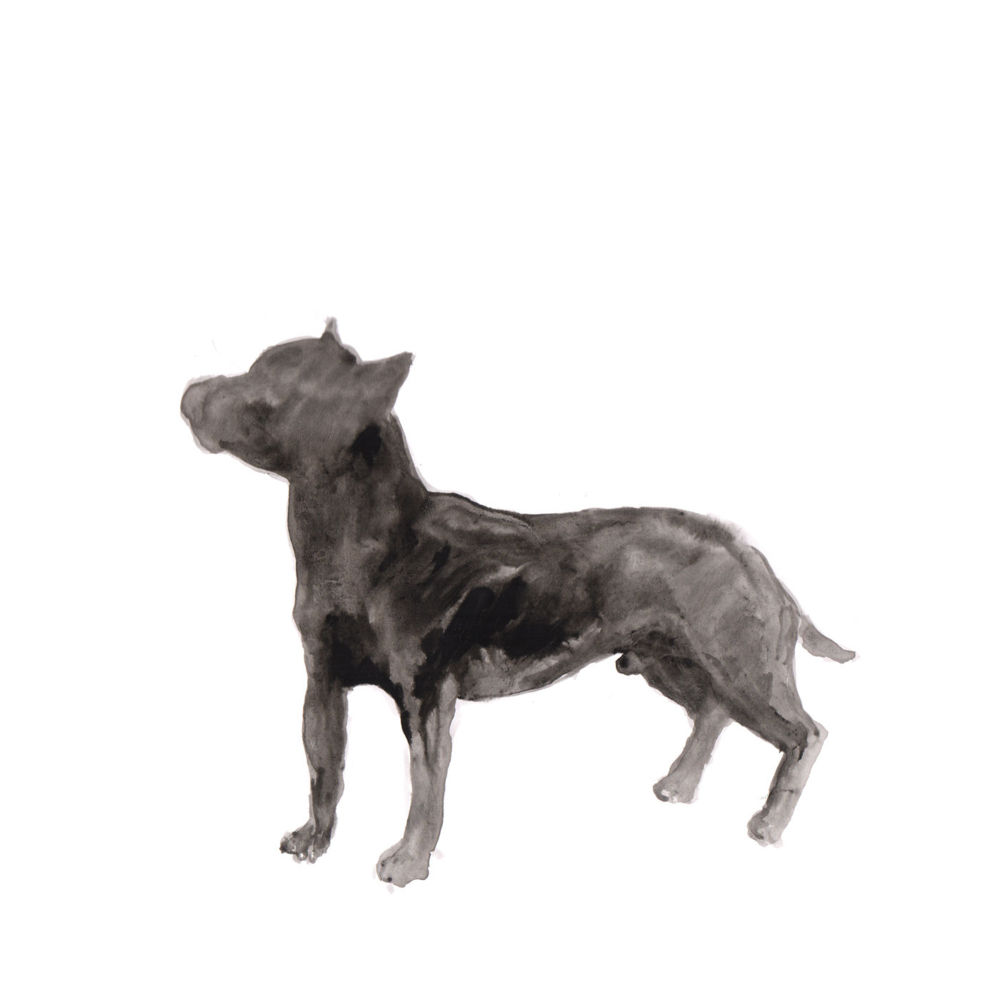
The cyclical nature of the verses—kids gambling, sun beating down, the old man's pronouncements—paints a picture of inescapable routine, a societal loop of despair. The pit bull named "Money" serves as a potent symbol. It embodies the raw, aggressive force of capital, a creature both feared and desired. The children's cries for "Money, money" reveal an ingrained acceptance of this system. Even in play, their aspirations are tethered to financial gain, reflecting how deeply economic imperatives permeate their lives. The old man's knowing smile adds another layer of complexity. Is it a smile of resignation, of ironic amusement, or perhaps a challenge, hinting that awareness is the first step toward change?
Ultimately, the song’s meaning revolves around the psychological impact of late-stage capitalism. It's about the erosion of hope, the feeling of being trapped in a rigged game. The lyrics analysis reveals a critical examination of how financial structures shape our perceptions, relationships, and ultimately, our sense of self-worth. "A Dog Called Money" isn't just a critique; it's an invitation to confront the uncomfortable truth about the world we inhabit and to question our own complicity within it.
 View Artist