Song Meaning
The narrator is offering a profound, almost sacrificial, form of love, choosing to remain present and vigilant while a loved one sleeps. There's an immediate sense of unease, as the narrator watches the other person "drift along to our future tragedy." This isn't a romanticized vision of companionship; it's a stark acknowledgment of impending doom, yet the narrator chooses to stay.
The core tension lies in the narrator's desperate, yet seemingly futile, efforts to protect someone from an inevitable, perhaps apocalyptic, future. The repeated line, "hope's the only drug I can afford," is a gut punch, highlighting a lack of resources, both material and emotional, to truly alter their fate. Giving up the bed for the floor and singing to ward off "monsters" are acts of self-abnegation, a quiet defiance against a world that seems to have already ended, as suggested by the "rapture came and nobody was saved" line.
What's particularly striking is the contrast between the mundane act of singing to ward off nightmares and the grand, apocalyptic backdrop. The lyrics paint a picture of a world post-apocalypse, where the "rapture" has occurred but left everyone behind, and the only remaining reality is this intimate, desperate vigil. The narrator's love is framed not as a grand gesture, but as a meager, almost pathetic, act of singing "to keep the monsters from your door," questioning if this is the ultimate extent of their capacity for love.
This song resonates because it captures the feeling of being powerless in the face of overwhelming circumstances, yet still choosing to act. The narrator's love isn't about grand pronouncements or heroic rescues; it's about the quiet, exhausting work of showing up, offering what little comfort is available, and facing a bleak future together. The repeated, almost weary, refrain "Maybe this is all my love's good for" lands with a heavy, melancholic truth, suggesting that sometimes, love is simply about enduring and being present, even when there's no hope of victory.
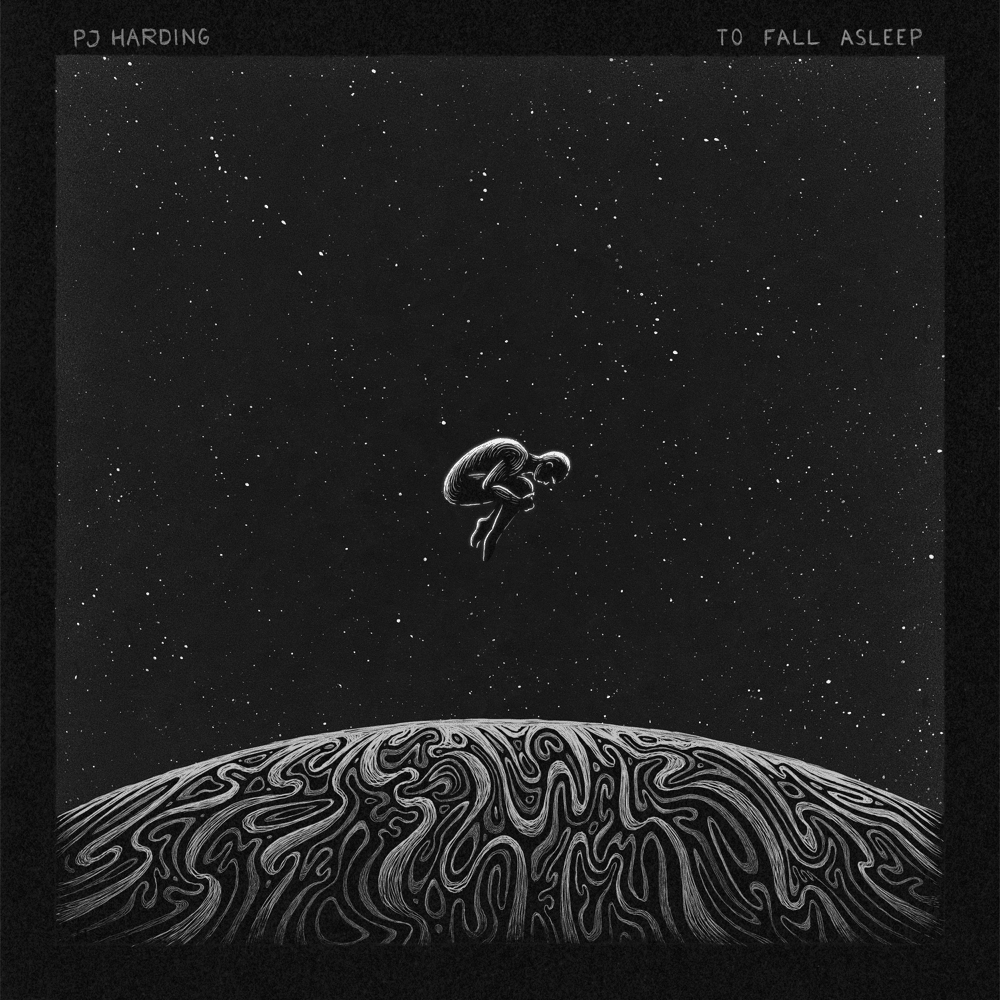
 View Artist