Song Meaning
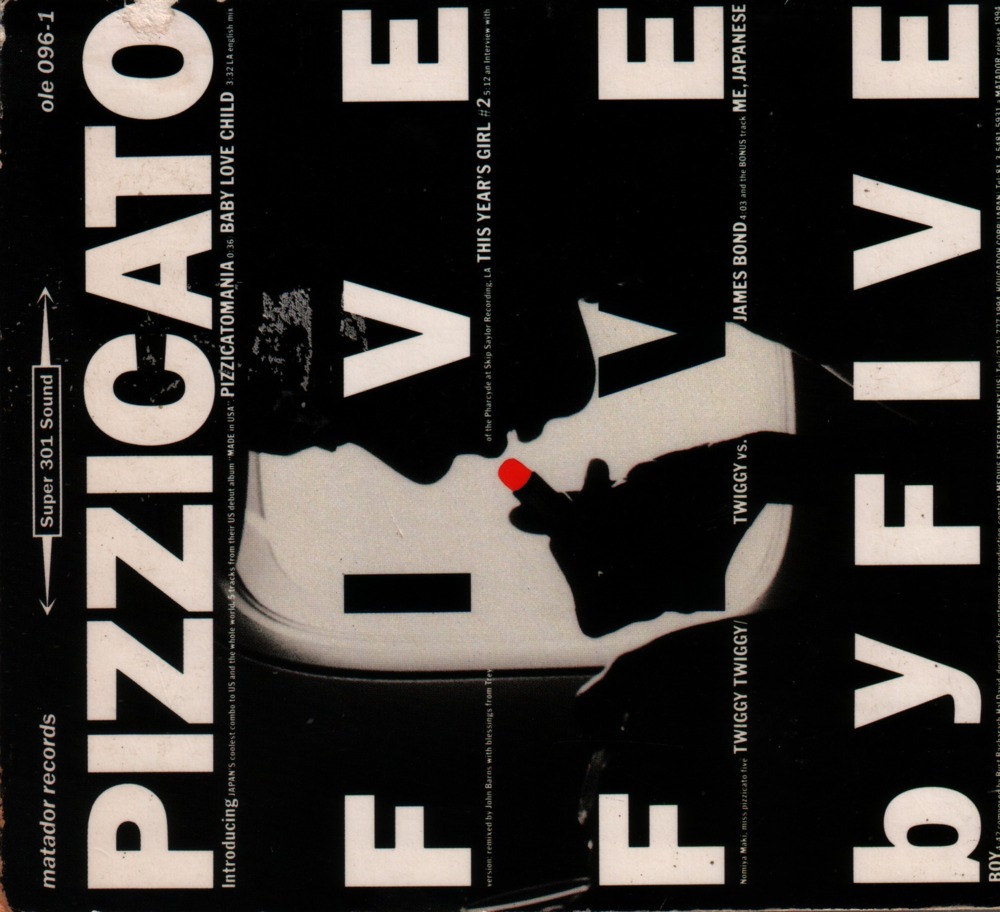
The lyrics paint a picture of intense, almost telepathic romantic connection. The narrator claims to see directly into their partner's mind and heart, asserting a deep, unspoken understanding. This certainty is reinforced by repeated declarations: "You love me yes you do," and the possessive "No one else take my place." It creates an atmosphere of absolute, almost naive devotion, where words are secondary to this perceived psychic intimacy.
The central tension arises from the stark contrast between the intimate declarations and the repeated, almost frantic interjections of "Attention adults." This phrase, appearing twelve times in the final section, feels like a jarring interruption, a warning, or perhaps a desperate plea to acknowledge the intensity of the "baby love child" dynamic. It suggests an awareness that this passionate, perhaps childlike love might be perceived as inappropriate or overwhelming by an outside, more mature perspective.
The most striking craft element is the juxtaposition of tender, romantic language with the abrupt, almost clinical "Attention adults." The term "baby love child" itself, repeated throughout the chorus, carries a dual connotation – it can signify a pure, innocent love, but also a potentially immature or dependent one. The inclusion of "Aishiteimasu," a direct Japanese expression of love, adds a layer of exoticism and perhaps emphasizes the unique, global nature of this bond, further setting it apart from the "adult" world.
Ultimately, the effectiveness of these lyrics lies in their ability to evoke a feeling of overwhelming, all-consuming love that exists in its own bubble. The insistent repetition of "You love me yes you do" and the chorus's ecstatic calls to "take you so high" create a sense of euphoric immersion. However, the persistent "Attention adults" injects a subtle unease, hinting that this blissful state is fragile, perhaps even transgressive, making the listener question the nature and sustainability of such an intense, isolated affection.
 View Artist