Song Meaning
This demo paints a stark picture of a final, dramatic departure. The narrator announces their intention to "drive my car into the ocean," a clear act of self-destruction or escape. Yet, they immediately pivot, asserting, "You'll think I'm dead, but I sail away." This creates an immediate tension between perceived finality and an actual, albeit surreal, continuation of existence.
The core of the song lies in this paradoxical exit. The phrase "wave of mutilation" is repeated insistently, acting as both the vehicle and the description of this escape. It suggests that the act of leaving, or perhaps the state of being left behind, is inherently destructive and painful, yet it's the very thing propelling the narrator forward. The repetition hammers home the overwhelming nature of this destructive force.
The second verse expands on this otherworldly departure with fantastical imagery. The narrator claims to have "kissed mermaids" and "rode the El Niño," placing them in a realm far beyond ordinary experience. This isn't just a physical escape; it's a plunge into a mythical, elemental world. The ability to navigate to the "Mariana" trench further emphasizes a descent into the deepest, most unknown parts of existence, all facilitated by this "wave of mutilation."
Ultimately, the lyrics are effective because they tap into a primal desire for escape, even one that is terrifying and self-inflicted. The juxtaposition of the mundane (driving a car) with the mythic (mermaids, El Niño) and the violent ("mutilation") creates a disorienting but powerful emotional landscape. It's a raw expression of wanting to disappear, not just from a situation, but from reality itself, carried away by an overwhelming, destructive force.
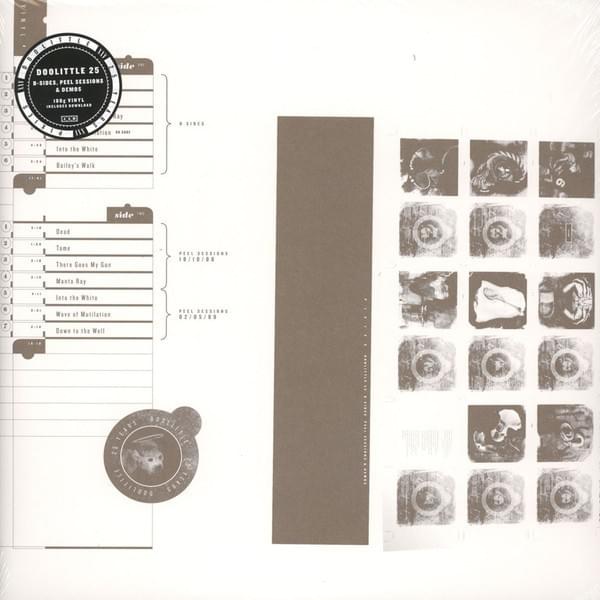
 View Artist