Song Meaning
The lyrics paint a picture of aspirational living, beginning with a narrator contemplating survival and a sister's description of a "good life" in New Jersey. This sets a tone of seeking prosperity and comfort, underscored by the excited exclamation "Puñeta!" and the English verses that follow. The narrator envisions a future where their children will be "well-bred" and "well-fed," with friends remarking on their parents' wealth and beauty.
The central tension seems to lie between this idealized vision of success and a more grounded, perhaps even mundane, reality. The repeated, almost chant-like Spanish phrase "Vamos a jugar por la playa" (Let's go play on the beach) contrasts sharply with the material aspirations described in English. It suggests a desire for simple pleasures and carefree moments, possibly as an escape or a counterpoint to the pressures of achieving a certain status.
The inclusion of "That maid Maria, she's real OK" is a curious detail. It could imply a casual observation of domestic life, or perhaps a subtle nod to the labor that underpins the envisioned comfortable existence. The shift from Spanish to English and back, coupled with the varied imagery, creates a unique texture that blends different cultural and economic perspectives. The idea of moving to "California" if they get bored further emphasizes a restless pursuit of an even better, perhaps more idyllic, setting.
Ultimately, the lyrics resonate through their blend of earnest aspiration and a yearning for simple joy. The contrast between the detailed vision of a prosperous future and the recurring, almost childlike invitation to play on the beach highlights a complex desire for both achievement and unburdened happiness. The casual, almost fragmented delivery of these ideas makes the pursuit feel both relatable and slightly surreal.
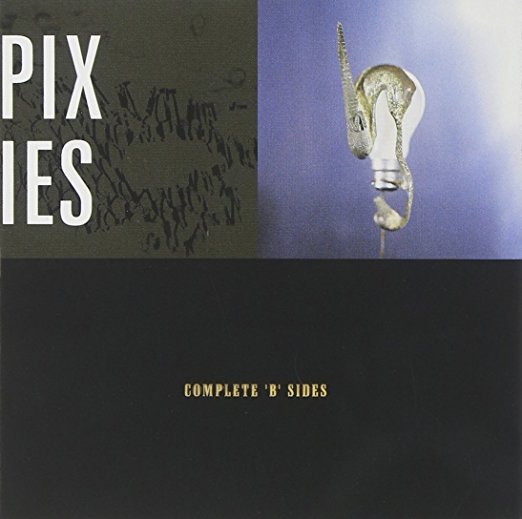
 View Artist