Song Meaning
The lyrics open with a woman whose dreams are troubled by classical figures, her identity boldly displayed on her clothing. She's then observed driving on a vast, open freeway at night. There's an immediate sense of public display and private unease.
A core tension emerges between the internal world of dreams and the external, almost performative, presentation of self. The classical figures that "haunt her dreams" suggest a beautiful yet unsettling inner life, starkly contrasted with a public declaration of identity. This creates a sense of a person navigating a world where their inner self is constantly at odds with their outward persona.
The most striking craft element is the abrupt, self-referential shift in perspective. The narrative suddenly pivots from observing "her" to a first-person speaker discussing the song's own creation, noting how it "samples the song" from another state. This meta-commentary continues, personifying the "little record" and even pointing out the song's repetition. This structural choice shatters any illusion of a straightforward story, pulling back the curtain to reveal the mechanics of the art itself.
These lyrics are effective precisely because of their disorienting shifts and layered perspectives. By juxtaposing intimate, unsettling imagery with a detached, almost clinical commentary on the song's own construction and broadcast "for outer / Space," the writing invites the listener to question the nature of reality, identity, and artistic creation. It's a clever trick, making the listener feel both inside a narrative and outside, observing its making, which creates a uniquely intellectual and emotionally resonant experience.
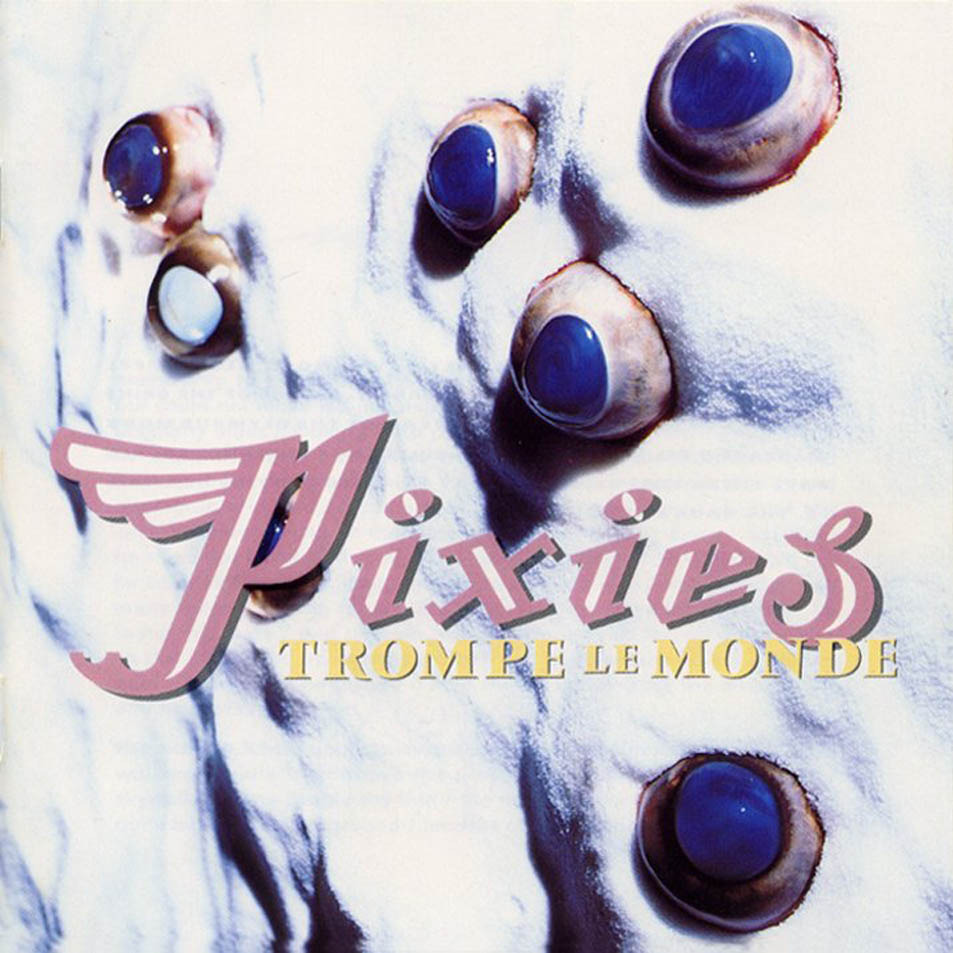
 View Artist