Born In Chicago
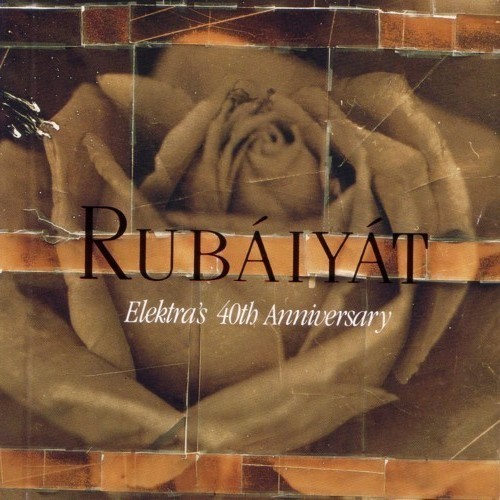
 View Artist
Lyrics
[Verse] I was born in Chicago 1971 I was born in Chicago 1970 What my father told me "Son, you'd better get a gun My first friend went down When I was 16 years old Oh my first friend went down When I was 16 years old There's one thing I can say about that boy He is going to go My second friend went down When I was 17 years of age Oh my second friend went down When I was 17 years of age There's one thing I can say about that boy He is going to go pray Oh life is a lie If you don't know how to play the game Oh life is a lie If you don't know how to play the game All my friends are going And everything's going to stay the same
Rate this song
0/5.0 - 0 Ratings
5
0.0% (0)
4
0.0% (0)
3
0.0% (0)
2
0.0% (0)
1
0.0% (0)
Loading comments...
Credits
- Writers
- Nick Gravenites