Song Meaning
The lyrics paint a stark picture of a relationship teetering on the edge, set against the quiet backdrop of "Siamo qui noi soli / Come ogni sera." The narrator immediately senses a shift in their partner, noting, "Ma tu sei più triste / Ed io lo so perché." This isn't a sudden revelation but a dawning, painful understanding that the other person is unhappy and contemplating separation.
The central tension is the narrator's desperate plea against an impending breakup. The core of this is the overwhelming dependence expressed: "Io che non vivo / Più di un'ora senza te." This isn't just love; it's an existential crisis, a fear that life itself ceases to have meaning without the other person. The repeated question, "Come posso stare / Una vita senza te," underscores the sheer impossibility of such a future from the narrator's perspective.
The most striking aspect is the raw, almost childlike vulnerability and the direct, repeated assertion of possession: "Sei mia, sei mia." This possessiveness, coupled with the desperate "Te ne prego fermati / Ancora insieme a me," highlights a fear of abandonment so profound it borders on panic. The narrator isn't trying to negotiate or understand; they are simply begging for the status quo to remain, unable to fathom any other reality.
This lyrical construction is effective because it bypasses complex metaphors for pure, unadulterated emotional expression. The simplicity of the language and the relentless repetition of the core fear make the narrator's desperation palpable. It’s the sound of someone clinging to what they believe is their entire world, terrified of the void that separation would create.
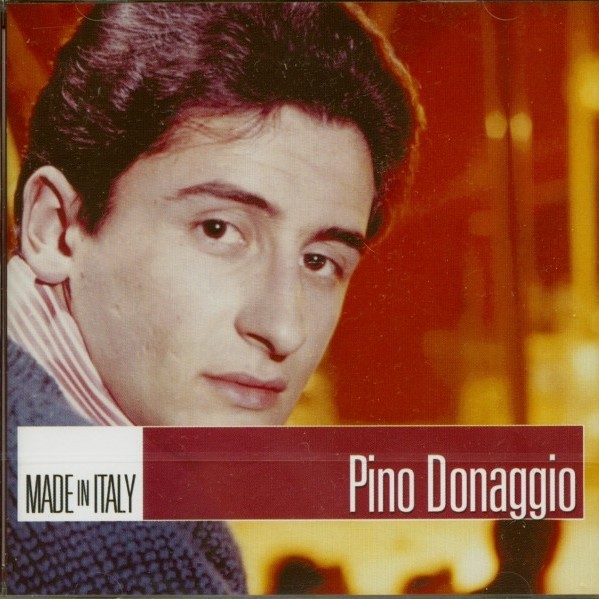
 View Artist